
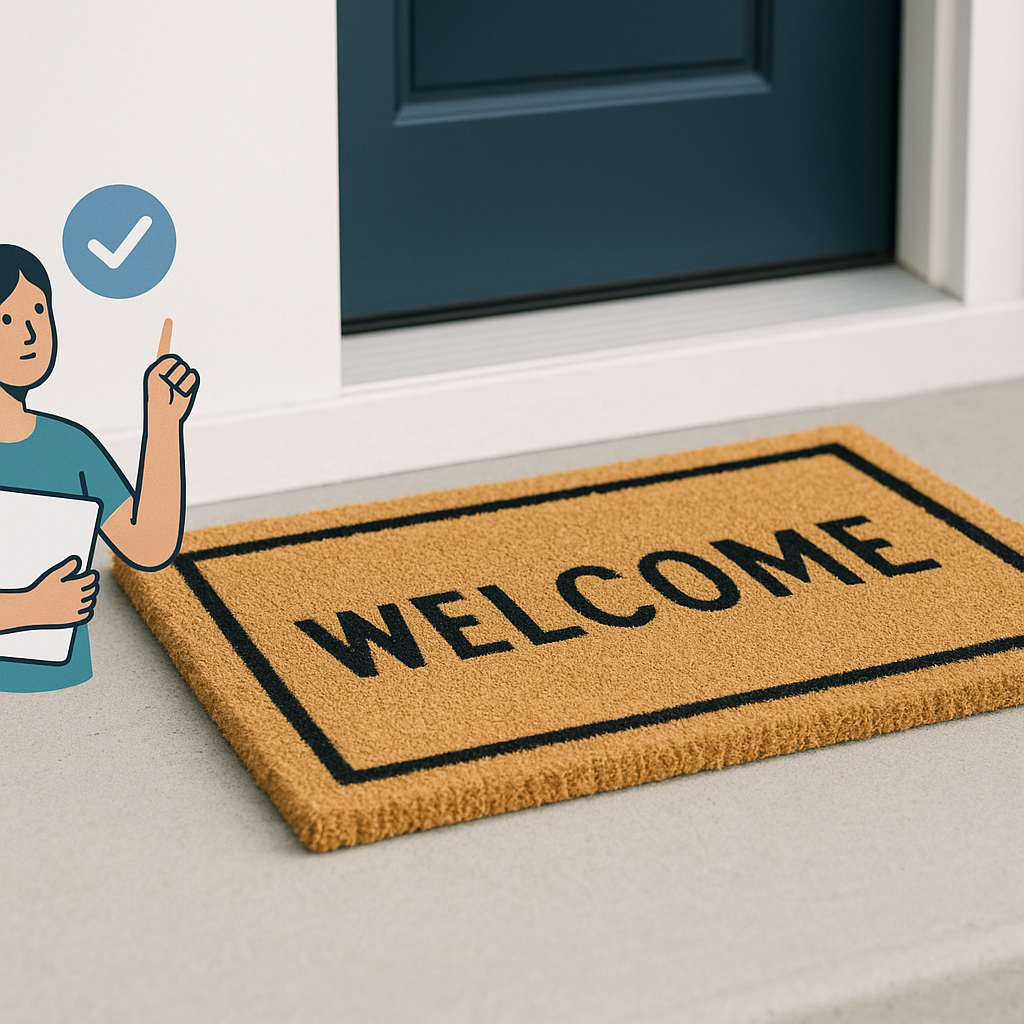
A door mat is often the first physical interaction a visitor has with your home or business. It’s more than just a place to wipe your feet; it’s a crucial tool for safety, cleanliness, and even branding. But with so many options available, how do you choose the right one? This comprehensive guide will walk you through everything you need to know to select the perfect door mat for your needs.

More Than Just a Mat: Why Quality Matters
A high-quality entrance matting system is your first line of defense against dirt, moisture, and accidents. The benefits are too significant to ignore, protecting your investment in your property from the ground up.
- Cleanliness Champion: According to the ISSA (Worldwide Cleaning Industry Association), an estimated 80% of the dirt and debris that enters a building is tracked in on people’s shoes. A well-placed, effective mat can trap the vast majority of this, significantly reducing cleaning time and costs.
- Safety First: Slips, trips, and falls are a leading cause of preventable injuries in both homes and workplaces. The National Safety Council consistently lists falls as a top cause of injury-related death. A good door mat provides a high-traction surface, absorbs moisture, and helps prevent dangerous accidents, especially in commercial settings where liability is a concern.
- Floor Preservation: Dirt, grit, and moisture act like sandpaper on your interior flooring. Over time, this foot traffic can scratch, stain, and wear down expensive surfaces like hardwood, tile, and laminate. A quality scraper and wiper mat system protects your floors, extending their life and preserving their appearance.
- Powerful First Impression: For a business, a clean, high-quality entrance mat speaks volumes. A custom logo mat can reinforce your brand identity from the moment a customer arrives, creating a professional and welcoming atmosphere.
Choosing Your Perfect Mat: A Step-by-Step Guide
Selecting the right mat involves considering its future environment and the specific job you need it to do. Let’s break down the key factors.
1. Location: Indoor, Outdoor, or Both?
The first step is to determine where the mat will be placed. Mats are designed with specific locations in mind.
Outdoor Mats: These are the heavy lifters. An outdoor mat needs to be durable enough to withstand all weather conditions—sun, rain, snow, and extreme temperatures. Its primary job is to scrape coarse dirt, mud, leaves, and debris from shoes.
- Best Materials: 100% Nitrile Rubber, heavy-duty polypropylene, or coir (in a covered area).
- Key Feature: Aggressive scraping texture and excellent drainage.
Indoor Mats: Positioned just inside the door, an indoor mat’s main function is to absorb moisture and wipe away any remaining fine dust and particles. It should have a non-slip backing to stay securely in place and protect the floor underneath.
- Best Materials: Nylon, polypropylene, or other carpet-topped surfaces.
- Key Feature: High absorbency and a non-slip rubber backing.
Pro-Tip: For maximum effectiveness, use a two-mat system. A scraper mat outside tackles the heavy debris, while a wiper mat inside handles water and fine dust. This “scraper-wiper” combination is the gold standard for commercial buildings and a great practice for any home.

2. Material Matters: Decoding Your Options
The material of a door mat determines its durability, function, and appearance. Here are some of the most common options:
- Rubber (Nitrile): The champion of durability. Nitrile rubber mats are heavy-duty, resistant to grease and oils, and won’t crack or curl in extreme temperatures. They provide excellent scraping action and a superior non-slip grip, making them ideal for high-traffic commercial entrances.
- Nylon: The most resilient carpet fiber. Nylon mats are brilliant at absorbing moisture and trapping fine dust. Their “memory” allows them to spring back from crushing, making them perfect for high-traffic indoor areas. They also reproduce complex logos with stunning clarity.
- Polypropylene: A versatile and cost-effective synthetic. Polypropylene is quick-drying, stain-resistant, and effective at both scraping and absorbing. It’s a great all-around choice for medium-traffic areas, available with either smooth or non-slip rubber backing.
- Coir (Coconut Fiber): Known for its classic look and excellent scraping ability. Coir is a natural, eco-friendly fiber that is very effective at removing mud and heavy dirt. However, it can shed fibers and is best used in a sheltered outdoor area as it can retain moisture.
3. Size and Orientation
An undersized mat is one of the most common mistakes. For a mat to be effective, it needs adequate surface area to clean shoes properly.
- Width: The mat should be at least 80-85% as wide as the doorway it serves. For double doors, consider a mat that covers the width of both.
- Length: The mat should be long enough to allow for at least two full steps (or 4-6 footfalls) to ensure both feet make contact multiple times. An effective entrance matting system often requires 10-12 feet of coverage for optimal results in commercial settings.
4. Backing and Edging
The underside of the mat is just as important as the top.
- Backing: Always choose a mat with a high-quality, non-slip backing. Nitrile rubber offers the best grip and durability and is safe for all floor types. Vinyl backing is a less expensive alternative but can be less durable and may stain certain floors.
- Edging: Look for mats with reinforced, bevelled edges. This safety feature creates a smooth transition from the floor to the mat, reducing the risk of trips and falls.
Common Types of Entrance Mats
While most mats serve to scrape or wipe, they can be categorized further by their specialized functions.
- Scraper Mats: Built with tough, textured surfaces designed to remove heavy mud and debris. Usually made of rubber or other resilient materials.
- Wiper Mats (Carpet Mats): Feature absorbent, carpet-like surfaces to dry shoes and trap fine dust. A must-have for any indoor entrance.
- Logo Mats: Combine branding with functionality. High-definition printing on nylon or polypropylene allows businesses to display their logo, creating a professional and lasting first impression.
- Anti-Fatigue Mats: Designed for areas where employees stand for long periods, like reception desks or service counters. They provide cushioning to reduce stress on the feet, legs, and back.
Keep It Clean: Door Mat Maintenance 101
To keep your mat effective, you need to clean it regularly. A mat saturated with dirt and water can’t do its job.
- Shake It Out: For smaller mats, a vigorous shake outside can dislodge most dry dirt.
- Vacuum: Regular vacuuming is the best way to clean indoor wiper mats and remove surface debris from scraper mats.
- Hose Down: Rubber and synthetic mats can be hosed down with water for a deeper clean. Use a mild detergent if necessary and allow the mat to dry completely before putting it back in place.
Conclusion: An Investment in Your Space
Choosing the right door mat is an investment in the safety, cleanliness, and image of your property. By considering the location, material, and size, you can find a solution that not only looks great but also performs its crucial functions flawlessly. A quality mat saves you cleaning time, protects your expensive flooring, and ensures a safe and welcoming entrance for every visitor.