
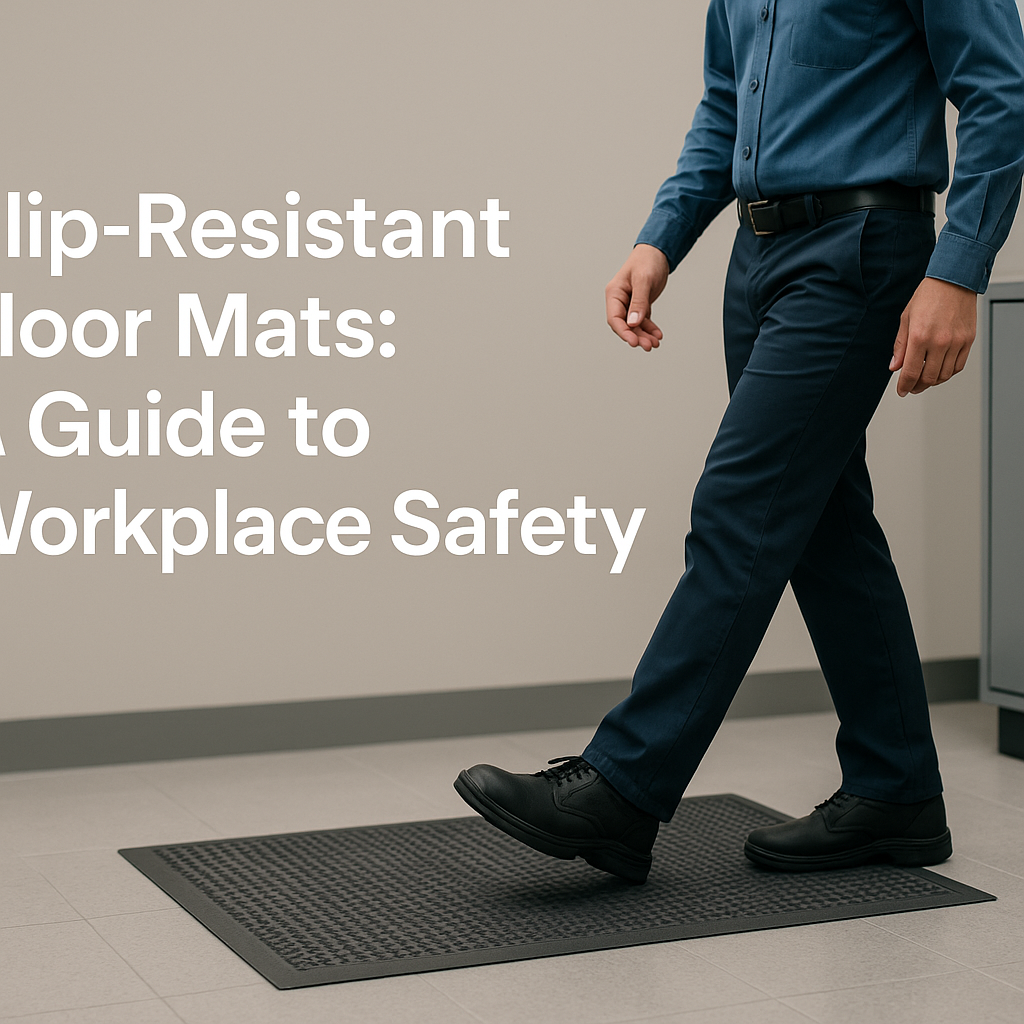
In any workplace, the safety of employees is paramount. Yet, one of the most common and preventable accidents remains slips, trips, and falls. These incidents can lead to serious injuries, lost work time, and significant financial costs for businesses. Fortunately, a straightforward and highly effective solution lies right under our feet: high-quality, slip-resistant floor mats. This comprehensive guide will explore the critical role these mats play in enhancing workplace safety, how to choose the right ones for your environment, and why it’s an investment you can’t afford to overlook.
The Alarming Cost of Workplace Slips and Falls
Slips, trips, and falls are no small matter. They are a leading cause of workplace injuries across all industries. According to the National Safety Council (NSC), falls are one of the top three causes of preventable work-related injuries, accounting for hundreds of thousands of incidents requiring days off from work each year.
The consequences extend far beyond the initial injury:
- Financial Impact: The U.S. Bureau of Labor Statistics reports that these incidents result in substantial costs from workers’ compensation claims, medical expenses, and lost productivity. A single fall can cost an employer thousands of dollars.
- Human Cost: For the employee, a fall can mean everything from minor bruises to severe fractures, chronic pain, and long-term disability. It also impacts team morale and creates a culture of anxiety.
- Legal Ramifications: Businesses have a legal and ethical obligation to provide a safe environment. The Occupational Safety and Health Administration (OSHA) requires employers to keep walking-working surfaces clean, dry, and safe. Negligence can lead to hefty fines and legal action.

How Do Slip-Resistant Mats Enhance Safety?
Slip-resistant mats are engineered with specific features designed to combat hazards and provide a stable surface. Their effectiveness comes from a combination of material, texture, and design.
- Increased Friction: The primary function is to increase the coefficient of friction between a person’s shoes and the floor. The higher the friction, the less likely a slip. Mats are made from materials like rubber and nitrile that offer a naturally high-grip surface.
- Surface Texture: Raised patterns, cleats, or abrasive grit embedded in the mat’s surface create an aggressive texture that grips footwear, even when wet or greasy. These patterns also help scrape dirt and debris from shoes.
- Drainage Capabilities: In wet environments like commercial kitchens, bars, or washrooms, mats with drainage holes are essential. They allow liquids to flow through the mat, keeping the top surface drier and safer to walk on.
- Secure Backing: A slip-resistant mat is only effective if it stays in place. High-quality mats feature specialized backings—such as nitrile rubber grippers or suction cups—that anchor them firmly to the floor, preventing sliding and curling, which can create a new trip hazard.
Choosing the Right Slip-Resistant Mat for Your Needs
Not all mats are created equal. Selecting the right type is crucial for maximizing safety in different areas of your business.
Entranceways and Lobbies
Your entrance is the first line of defense. About 80% of the dirt and moisture in a building is tracked in on shoes. An effective entrance matting system should include:
- Scraper Mats: Placed outside, these coarse mats remove heavy dirt, mud, and snow.
- Wiper Mats: Placed inside, these absorbent mats capture remaining moisture and fine particles. A combination like this keeps hazardous moisture from reaching interior floors.
Commercial Kitchens, Bars, and Food Service Areas
These areas are hotspots for spills involving water, grease, and oil. The best mats for this environment are:
- Grease-Resistant: Made from 100% nitrile rubber, which does not degrade when exposed to animal fats and oils.
- Drainage-Enabled: Feature large holes to allow liquids and food debris to fall through, maintaining a clear and safe standing surface.

Industrial, Manufacturing, and Warehouse Areas
In industrial settings, workers may be exposed to chemicals, oils, and heavy foot traffic. Look for:
- Heavy-Duty Construction: Durable mats that can withstand harsh conditions and constant use.
- Chemical Resistance: Specialized mats made from compounds that resist industrial chemicals and solvents.
- Anti-Fatigue Properties: Many industrial anti-slip mats also incorporate anti-fatigue cushioning to reduce strain on workers who stand for long periods, improving both safety and productivity.
Compliance and Legal Considerations: Meeting OSHA Standards
While OSHA doesn’t mandate the use of floor mats in every situation, they are a universally recognized tool for complying with regulations. The OSHA standard 1910.22(a)(2) states that “The floor of every workroom shall be maintained in a clean and, so far as possible, a dry condition.”
Using slip-resistant mats is a proactive and visible way to demonstrate due diligence in protecting your employees. It shows a clear commitment to maintaining safe “walking-working surfaces” and can be a critical factor in the event of an inspection or accident investigation.
Maximizing Your Investment: Mat Maintenance and Care
To ensure your mats remain effective and last for years, proper maintenance is essential. A dirty or worn-out mat can be as dangerous as no mat at all.
- Inspect Daily: Check for curled edges, cracks, or excessive wear that could create a trip hazard.
- Clean Regularly: Follow the manufacturer’s instructions. Most rubber and nitrile mats can be scrubbed with a mild detergent and hosed down. Regular cleaning prevents grease and dirt buildup that can reduce traction.
- Dry Thoroughly: Always ensure mats are completely dry on both sides before placing them back on the floor to prevent mold, mildew, and slipping.
- Replace When Necessary: Once a mat’s backing is worn or its surface texture is smoothed out, its slip-resistant properties are compromised. Don’t hesitate to replace it.
Conclusion: A Proactive Step Towards a Safer Workplace
Investing in the right slip-resistant floor mats is one of the most cost-effective and impactful decisions a business can make to enhance workplace safety. It’s a proactive measure that prevents injuries, ensures regulatory compliance, reduces financial liability, and fosters a positive and secure work environment. By analyzing your facility’s specific needs and choosing high-quality, purpose-built mats, you can protect your team and your bottom line. Don’t wait for an accident to happen—take the step to create a safer foundation today.