
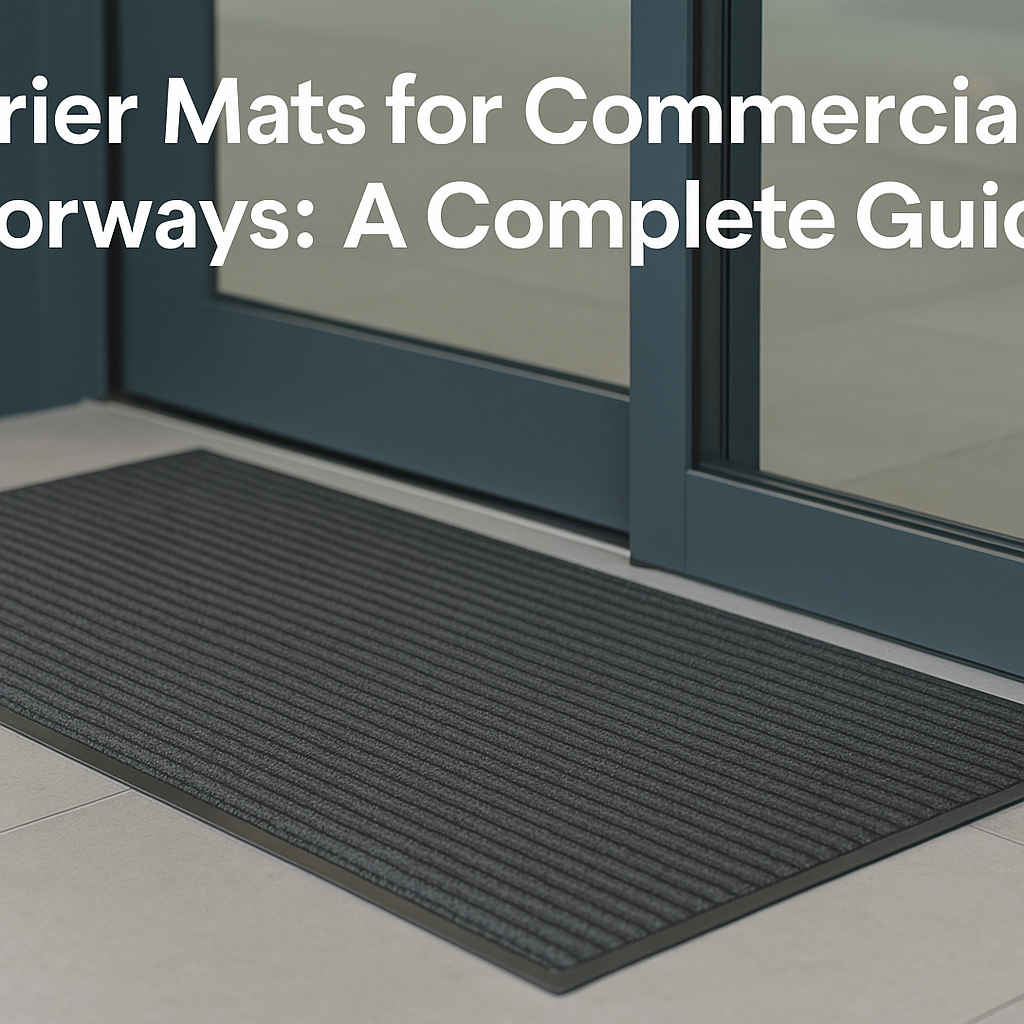
First impressions are everything, but what about the dirt, debris, and moisture that walk in with your visitors? An unprotected entrance is more than just a messy floor; it’s a threat to your safety standards, budget, and brand image. It’s estimated that 80% of the dirt and dust in a building is tracked in from the outside on the soles of shoes. This is where a high-performance barrier matting system becomes one of the most crucial investments for any commercial property.
A barrier mat does exactly what its name implies: it creates a formidable barrier at your doorway, trapping dirt, absorbing moisture, and preventing them from spreading throughout your facility. This simple addition can have a profound impact on your operations, enhancing safety, reducing maintenance costs, and preserving the lifespan of your interior flooring.

The Hidden Costs of an Unprotected Entrance
Ignoring the entrance means inviting in a host of expensive problems. The true cost of dirt goes far beyond a simple cleaning bill. Industry experts often cite that removing a single pound of dirt once it’s dispersed throughout a building can cost upwards of £500. When you consider that a high-traffic area can accumulate many pounds of dirt per week, the expense becomes staggering.
- Increased Cleaning Labour: More dirt means more time and resources spent on vacuuming, mopping, and deep cleaning.
- Damage to Interior Flooring: Abrasive grit and sand act like sandpaper, scratching and dulling expensive flooring like hardwood, LVT, tile, and laminate. Trapped moisture can lead to warping, staining, or mould growth.
- Poor Indoor Air Quality: Fine dust particles become airborne, contributing to allergies and respiratory issues for employees and customers.
The Triple-Threat Defence: Safety, Savings, and Style
A properly implemented barrier matting system tackles these challenges head-on, delivering three core benefits that offer a significant return on investment.
1. Enhancing Safety and Reducing Liability
Slips, trips, and falls are the most common cause of major injuries in UK workplaces, accounting for a significant number of non-fatal incidents reported by employers. According to the Health and Safety Executive (HSE), these accidents are a leading reason for liability claims against businesses. Rainy or snowy days are particularly hazardous as puddles form at entrances, creating a high-risk zone. An effective barrier mat provides a safe, non-slip surface that aggressively absorbs water, keeping your floors dry and drastically reducing the risk of accidents.
2. Preserving Floors and Slashing Maintenance Costs
By trapping soil and moisture at the door, barrier mats act as the first line of defence for your flooring investment. Preventing abrasive particles from being tracked inside protects the finish and structure of your floors, delaying the need for costly repairs or premature replacement. This directly translates to lower maintenance overhead. With less dirt to manage, your cleaning staff can work more efficiently, and the need for intensive deep-cleaning procedures is reduced. Many facilities find that their regular cleaning supply costs also decrease.
3. Boosting Brand Image with a Clean Welcome
A clean, well-maintained entrance speaks volumes about your business. It shows a commitment to quality, professionalism, and the well-being of your visitors and staff. A dirty, wet, or worn-out entryway can instantly create a negative impression. Furthermore, modern barrier mats can be a branding tool. Custom logo mats reinforce your brand identity from the moment someone steps inside, creating a cohesive and professional aesthetic.

Choosing the Right Barrier Mat: The Zonal Approach
The most effective strategy is a “zonal” system that uses different types of mats to tackle debris in stages. For maximum effectiveness, experts recommend a minimum of 15-20 linear feet of matting to ensure the average person makes several footfalls on the matting surface.
Zone 1: The Outdoor Scraper Mat
This is your first line of attack, placed outside the entrance. Its job is to remove heavy soil, large debris, and the bulk of snow or mud. These mats are typically made from durable rubber or have tough, abrasive looped surfaces designed for aggressive scraping action and to withstand harsh weather conditions.
- Best for: Heavy dirt, mud, snow, sand.
- Materials: Nitrile rubber, heavy-duty vinyl loops.
Zone 2: The Vestibule Wiper/Scraper Mat
Located in the space between the outer and inner doors, or just inside the main entrance, this mat handles what the first one missed. It has a dual function: scraping off finer particles and beginning to absorb moisture. These mats often feature a combination of tough scraping fibres and absorbent carpet fibres.
- Best for: Finer grit, sand, and initial water absorption.
- Materials: Polypropylene, textured surfaces.
Zone 3: The Indoor Wiper Mat
This is the final barrier, placed inside your building. Its primary purpose is to absorb any remaining moisture and trap fine dust particles. These are typically carpet-topped mats with a high capacity for water retention and a non-slip rubber backing to keep them securely in place. They are also the mats most often used for branding and aesthetic purposes.
- Best for: Water absorption, fine dust, final cleaning.
- Materials: Carpet pile, microfibre, nylon on a nitrile rubber backing.
Making the Right Choice for Your Business
When selecting a barrier mat, consider foot traffic, climate, and the type of debris common to your location. A high-traffic shopping centre will need a more robust system than a small office. Look for key features like crush-resistant fibres that won’t flatten over time, a durable non-slip backing (like nitrile rubber), and beveled edges that prevent tripping and allow for wheeled traffic.
Ultimately, a high-quality barrier matting system is not an expense—it’s a smart investment in the safety, cleanliness, and image of your commercial space. By stopping dirt at the door, you protect your people, your property, and your bottom line.