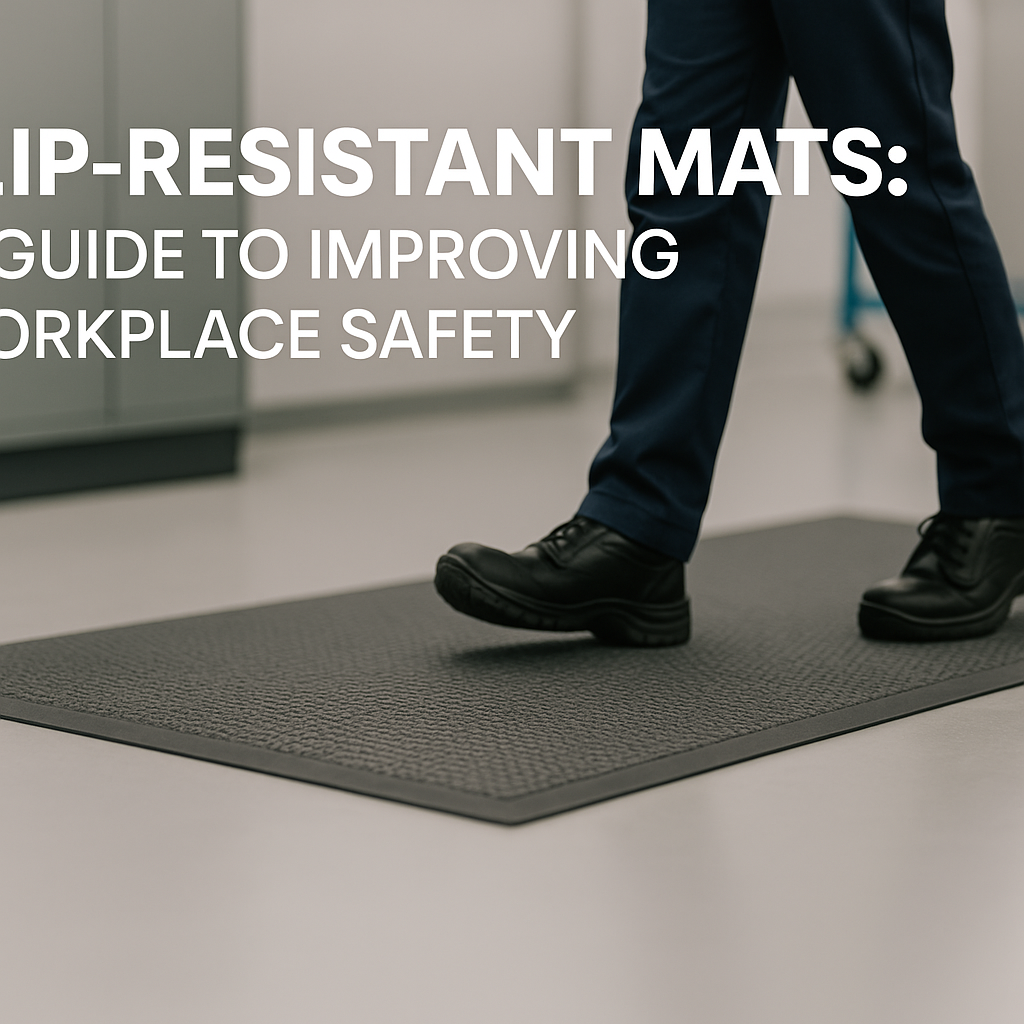
Slips, trips, and falls are consistently among the leading causes of workplace injuries, representing a significant risk to employee well-being and a substantial financial burden on businesses. According to the UK’s Health and Safety Executive (HSE), these incidents account for over a third of all reported major injuries. The good news is that they are almost always preventable. A crucial first line of defence in any effective floor safety strategy is the implementation of high-quality, slip-resistant floor mats.
The Staggering Cost of Workplace Slips and Trips
The impact of a slip or fall in the workplace extends far beyond the immediate incident. For the employee, it can mean pain, time off work, and long-term health complications. For the employer, the consequences are multifaceted:
- Financial Costs: These include sick pay, insurance premium hikes, potential legal fees, and fines. The HSE estimates that workplace injuries and ill health cost British employers £5.6 billion annually.
- Operational Disruption: A-n absent employee can lead to lost productivity, project delays, and the need for temporary staffing.
- Reputational Damage: A poor safety record can harm a company’s reputation, affecting its ability to attract and retain talent.
Investing in preventative measures is not just a regulatory requirement; it’s a sound business decision. High-quality matting solutions from providers like IdealMats.co.uk offer a simple and effective way to mitigate these risks significantly.
How Do Slip-Resistant Mats Prevent Accidents?
Slip-resistant mats are engineered with specific features designed to tackle the primary causes of slips and falls—water, grease, dust, and other floor contaminants. Their effectiveness comes down to three key elements:
- Surface Material and Texture: Most anti-slip mats are made from durable materials like nitrile rubber, which maintains its grip even when exposed to oils and grease. The surface is often designed with raised patterns or textures. These cleats and channels scrape dirt and debris from shoes and provide a pathway for moisture to drain away from the standing surface, ensuring footwear maintains contact with a dry, high-friction area.
- Superior Absorption: For entrance areas, mats with absorbent carpet pile faces (like polyamide) are essential. They trap large amounts of water and fine dust particles at the door, preventing them from being tracked further into the building where they can create hazardous slippery surfaces.
- Non-Skid Backing: A slip-resistant mat is only effective if it stays securely in place. Quality mats feature heavy-duty rubber backing with cleats or a suction-cup design that grips the floor, preventing the mat itself from sliding, curling, or becoming a trip hazard.
Choosing the Right Mat for the Right Area
Not all mats are created equal, and different environments have unique challenges. Deploying the correct type of mat in each specific location is critical for maximising safety and performance.
Entrance and Reception Areas
This is the first point of contact and the most critical area for floor safety. An effective entrance matting system scrapes, wipes, and absorbs moisture and dirt. Consider a combination of outdoor scraper mats and indoor absorbent mats for maximum effect. For a professional touch that reinforces your brand while prioritising safety, custom logo mats are an excellent choice. They combine high-performance safety features with vibrant, impressive branding.
Wet & Oily Environments (Kitchens, Bars, Industrial Workstations)
Areas prone to spills from water, grease, oil, or chemicals require specialised matting. Look for mats made from 100% nitrile rubber, which is resistant to degradation from these substances. Mats designed for these areas should have drainage holes to allow liquids to pass through, maintaining a dry and safe standing surface. For particularly demanding industrial applications, you may need a solution from a provider like Specialist Mats, who focus on mats for challenging conditions.
Standing Workstations and Production Lines
In areas where employees stand for long periods, safety and comfort are intertwined. Fatigue can lead to a lack of concentration and an increased risk of accidents. Anti-fatigue mats provide cushioning to reduce stress on the body, but it’s vital they also have anti-slip properties. A high-traction surface and bevelled edges to prevent tripping are essential features for these mats.
Beyond the Mat: A Holistic Safety Culture
While mats are a cornerstone of floor safety, they work best as part of a comprehensive safety plan. The HSE recommends a multi-faceted approach that includes:
- Good Housekeeping: Implement and enforce a regular cleaning schedule. Ensure spills are cleaned up immediately using the correct procedure.
- Proper Lighting: All areas of the workplace should be well-lit so that employees can easily spot potential hazards on the floor.
- Employee Training: Educate staff on the risks of slips and trips and the importance of adhering to safety protocols, including wearing appropriate slip-resistant footwear.
- Regular Maintenance: Inspect mats regularly for wear and tear. A worn-out, curled, or damaged mat can become a trip hazard itself and should be replaced promptly.
For businesses looking for bespoke branding solutions, including those with intricate designs or specific colour requirements, exploring options from Specialist Logo Mats or even European suppliers like Premier Logo Mats can provide that extra level of customisation without compromising on safety.
Conclusion: A Non-Slip Path to a Safer Workplace
Slip-resistant mats are a fundamental, cost-effective, and highly efficient solution for preventing one of the most common forms of workplace injuries. By understanding the specific risks within your business—from the front door to the factory floor—and investing in the appropriate high-quality matting, you can protect your employees, reduce operational costs, and foster a strong culture of safety. Don’t wait for an accident to happen. Take proactive steps today to ensure your floors are a safe foundation for your business’s success.