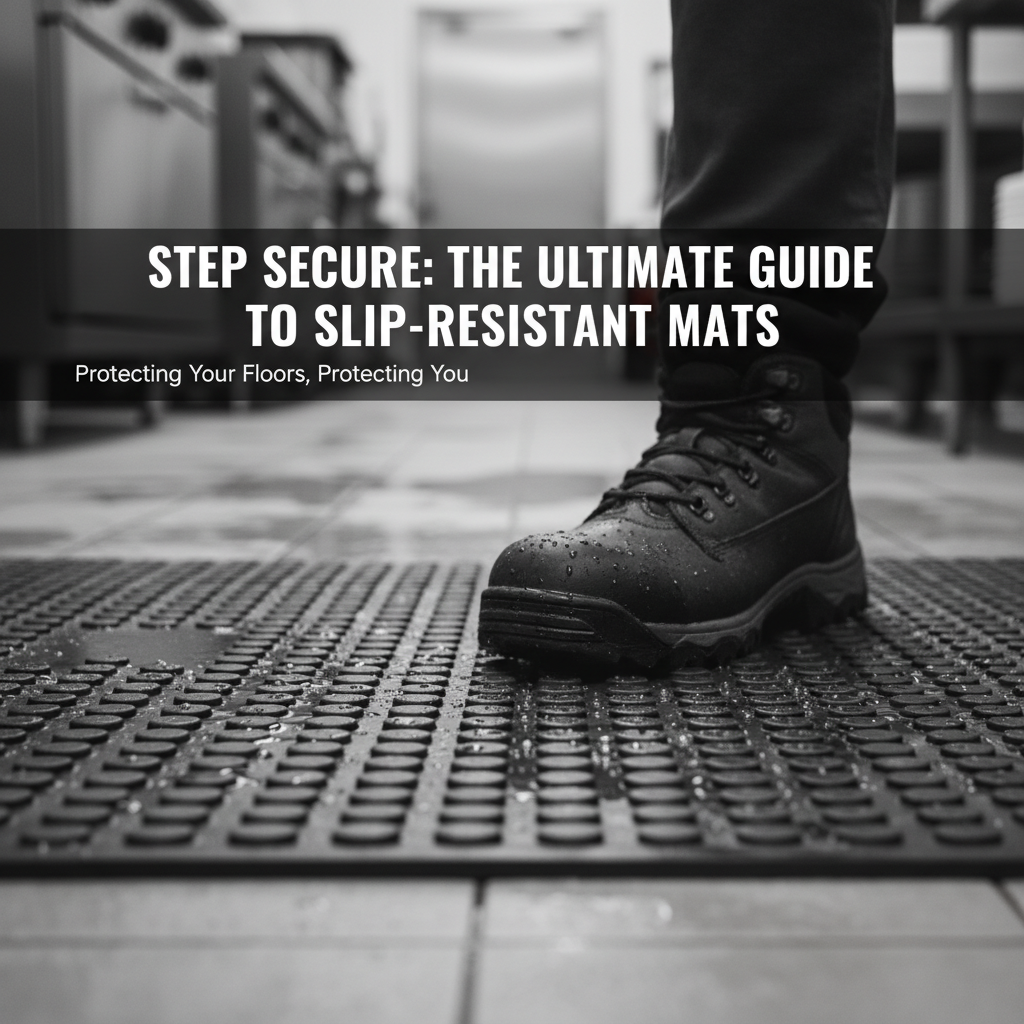
Slips, trips, and falls are no small matter in the workplace. They represent one of the most significant causes of non-fatal injuries, leading to lost workdays, reduced productivity, and considerable financial costs for businesses. According to the UK’s Health and Safety Executive (HSE), slips and trips are the single most common cause of major injuries in UK workplaces. The good news is that a vast majority of these incidents are entirely preventable. A crucial first step in mitigating this risk is investing in high-quality, purpose-built slip-resistant floor mats.
The True Cost of Workplace Slips and Falls
When an employee suffers a fall, the consequences ripple throughout the organisation. The immediate costs are obvious: emergency medical care, potential hospital stays, and the employee’s physical pain and recovery time. However, the indirect costs often have a much larger and longer-lasting impact. These can include:
- Lost Productivity: Both from the injured employee and potentially from other team members who assist or whose workflow is disrupted.
- Administrative Costs: Time spent documenting the incident, managing sick pay, and arranging for cover.
- Legal and Insurance Fees: A significant fall can lead to personal injury claims and a subsequent rise in insurance premiums. The HSE estimates that these incidents cost UK employers over £500 million per year.
- Damaged Morale: An unsafe working environment can lead to anxiety and lower morale among staff, impacting overall productivity and employee retention.
Investing in preventative measures like slip-resistant matting is not just a safety requirement; it’s a sound business decision that protects your employees and your bottom line.
What Makes a Mat Genuinely Slip-Resistant?
Not all floor mats are created equal. A simple rug or piece of carpet can even increase a trip hazard. True slip-resistant mats are engineered with specific features designed to provide stability and grip, even in challenging conditions. Key characteristics include:
- Material Composition: The material is the foundation of a mat’s performance. Nitrile rubber is a superior choice, especially in commercial and industrial settings. It offers excellent resistance to grease, oils, and chemicals, preventing the mat from degrading and becoming slippery itself.
- Surface Texture and Pattern: A raised, textured surface is vital for scraping dirt and moisture from footwear and providing grip. Patterns with deep channels are highly effective at trapping water and debris, keeping the walking surface clear and dry.
- Durable Backing: A mat is only effective if it stays securely in place. High-traction backings, often made from gripper nubs or nitrile rubber, ensure the mat grips the floor and does not slide or bunch up, which would create a new hazard.
- Drainage Capabilities: In areas prone to heavy spills, water, or oil, mats with drainage holes are essential. These allow liquids to pass through, maintaining a safer, drier standing surface.
- Bevelled Edges: Tapered edges, known as safety bevelling, allow for a smooth transition from the floor to the mat, minimising the risk of tripping.
Choosing the Right Mat for Every Zone
To maximise workplace safety, you must deploy the right type of mat in the right area. A one-size-fits-all approach is rarely effective.
1. Entrances and Reception Areas
The entrance is your first line of defence, stopping dirt and moisture at the door. An effective entrance matting system typically involves a combination of scraper mats outside and wiper mats inside. This prevents water from being tracked further into the building where it can cause a slip hazard on smooth floors. For a powerful combination of safety and branding, consider a custom-branded mat from Logo Mats. A high-quality entrance solution from IdealMats not only keeps your floors safer but also cleaner, reducing maintenance costs.
2. Industrial and a commercial Workspaces
Factories, workshops, and commercial kitchens are high-risk environments due to the frequent presence of oils, grease, and chemicals. Standard mats will quickly deteriorate in these conditions. You need heavy-duty, 100% nitrile rubber mats that are specifically designed to withstand these substances. Look for mats with excellent drainage and a highly textured surface. For these demanding applications, exploring the range at Specialist Mats is crucial to finding a durable and compliant solution.
3. Wet Areas: Bars, Kitchens, and Washrooms
Areas that are constantly wet require mats designed for optimal drainage and hygiene. Mats with large drainage holes and anti-microbial properties are ideal. They keep the standing surface elevated above the pooled liquid and inhibit the growth of mould and bacteria, contributing to a healthier environment.
4. Standing Desks and Assembly Lines
Employees who stand for long periods are at risk of fatigue, which can lead to a lack of focus and an increased chance of accidents. Anti-fatigue mats provide cushioning to reduce strain on the legs and back. Many of these mats are also designed with slip-resistant surfaces and bevelled edges, tackling two safety concerns at once.
Enhance Safety and Branding with Custom Logo Mats
Safety does not have to be purely functional. Branded floor mats serve a dual purpose: they provide essential slip resistance while simultaneously reinforcing your brand identity from the moment someone enters your facility. A professional logo mat can make a powerful first impression. Whether you need a sophisticated entrance mat for a corporate office in the EU, available from Premier Logo Mats, or a heavy-duty branded solution for a UK specialist workshop from Specialist Logo Mats, customisation adds value without compromising on safety.
Maintenance: Maximising the Lifespan and Efficacy of Your Mats
To ensure your investment continues to provide protection, proper maintenance is key.
- Regular Cleaning: Regularly clean your mats according to the manufacturer’s instructions. This may involve hosing down, using a pressure washer, or industrial laundering for certain types.
- Inspect for Wear: Periodically check your mats for signs of damage, such as curling edges, cracks, or a worn-down surface. A compromised mat is a dangerous mat.
- Ensure Proper Placement: Always place mats on a clean, dry floor. Ensure they lie flat and do not move when walked on.
Creating a safe workplace is a legal and moral obligation. By strategically implementing high-quality, slip-resistant floor mats, you can significantly reduce the risk of slips and falls, demonstrating a clear commitment to the health and well-being of your employees. It’s a foundational element of workplace safety that provides protection, peace of mind, and a powerful return on investment.