
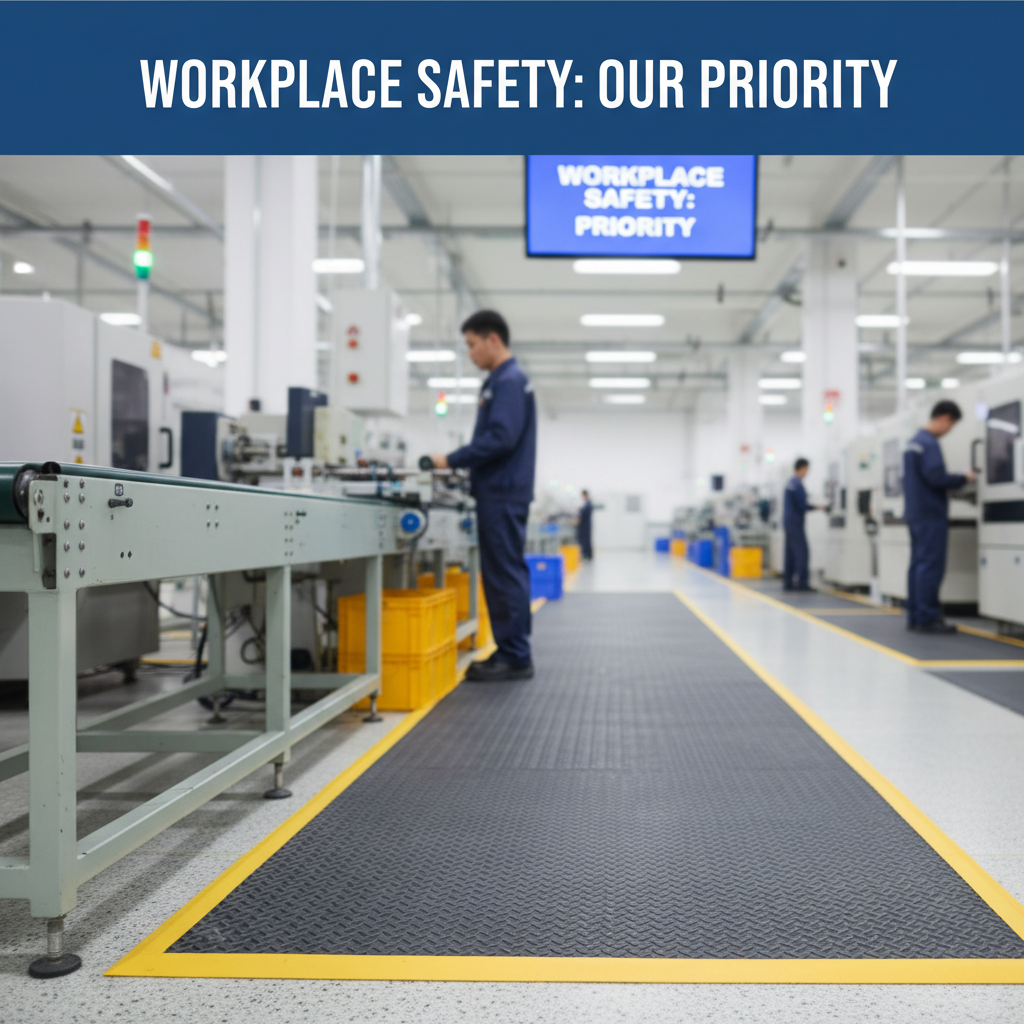
The Critical Role of Slip-Resistant Flooring in Modern Workplaces
Slips, trips, and falls represent one of the most pervasive and costly safety hazards across virtually every industry. From busy restaurant kitchens to polished retail floors, from factory production lines to corporate lobbies, the risk of a slip-related incident is ever-present. Implementing effective slip-resistant flooring solutions isn’t just a regulatory box to tick—it’s a fundamental component of a proactive safety culture that protects employees, reduces liability, and ensures operational continuity.
The Stark Reality: Statistics on Workplace Slips and Falls
The data surrounding workplace slips and falls paints a compelling picture of why prevention is paramount. According to the Occupational Safety and Health Administration (OSHA), slips, trips, and falls account for 15% of all accidental deaths in the workplace, making them the second leading cause of fatalities after motor vehicle incidents. The National Safety Council (NSC) reports that slips and falls result in over 8.9 million emergency room visits annually in the United States alone. In the UK, the Health and Safety Executive (HSE) identifies slips and trips as the most common cause of major injuries in workplaces, contributing to over 33% of all reported injuries.
The financial implications are equally staggering. The average direct cost of a slip, trip, or fall injury claim exceeds $20,000, with indirect costs—including lost productivity, training replacement staff, and increased insurance premiums—often doubling or tripling that figure. For businesses, investing in slip-resistant flooring is a clear economic imperative as much as a moral one.
Types of Slip-Resistant Floor Mats for Different Environments
Not all slip-resistant mats are created equal. The right solution depends entirely on the specific environment, traffic patterns, and types of contaminants present. Here’s a breakdown of the primary categories:
1. Commercial Entrance Mats
These mats serve as the first line of defence against outdoor elements being tracked indoors. High-quality entrance mats from suppliers like Ideal Mats feature coarse, textured surfaces that scrape dirt and moisture from footwear while providing immediate traction. Many incorporate water-absorbent fibres and anti-microbial treatments to manage moisture and hygiene.
2. Industrial Safety Mats
Designed for demanding environments like factories, warehouses, and workshops, industrial mats prioritise durability and extreme slip resistance. Companies like Specialist Mats offer heavy-duty rubber and vinyl mats with aggressive diamond or coin patterns that provide traction even in the presence of oils, coolants, or chemical spills. These mats often feature bevelled edges to prevent tripping and drainage holes to channel liquids away.
3. Anti-Fatigue Mats
Common in standing workstations, kitchens, and assembly lines, anti-fatigue mats combine cushioning with slip resistance. Their textured surfaces prevent movement while the cushioned layer reduces leg and back strain, indirectly preventing fatigue-related balance issues that can lead to slips.
4. Custom Logo Mats
Branding and safety can go hand-in-hand. Custom logo mats from providers like Logo Mats and Premier Logo Mats allow businesses to incorporate their branding into high-traction entrance flooring. These mats not only enhance safety but also reinforce corporate identity and present a professional first impression. For specialised designs, Specialist Logo Mats offers tailored solutions for UK businesses.
Key Features of Effective Slip-Resistant Mats
When selecting mats for workplace safety, look for these essential characteristics:
- High Coefficient of Friction (COF): The COF measures slip resistance. For level surfaces, a static COF of 0.5 or higher is recommended by the Americans with Disabilities Act (ADA). Many quality mats exceed 0.6.
- Aggressive Surface Texture: Patterns like diamonds, studs, or grooves provide multiple edges to grip shoe soles.
- Bevelled Edges: A tapered edge eliminates trip hazards, especially important in high-traffic areas.
- Liquid Management: Features like drainage holes, absorbent layers, or channels that direct fluids away from the walking surface.
- Secure Backing: A non-slip backing (often PVC or rubber) prevents the mat itself from shifting or creeping.
- Durable Construction: Materials resistant to wear, UV degradation, and chemicals ensure long-term performance.
Standards and Regulations Governing Slip Resistance
Compliance with established standards is crucial for liability protection and ensuring genuine safety performance. Key standards include:
- ASTM F1637: This standard test method measures the static coefficient of friction of polish-coated or similar floor surfaces using a James Machine. It’s widely referenced in the matting industry.
- UK Slip Resistance Group (UKSRG): Provides guidance on pendulum test values (PTV), with recommendations for different risk levels. A PTV of 36+ is considered low slip potential for most environments.
- OSHA Regulations: While OSHA doesn’t mandate a specific COF, its General Duty Clause requires employers to maintain a workplace free from recognized hazards, which includes slippery floors. OSHA frequently cites businesses for inadequate slip prevention measures.
- Health and Safety at Work Act 1974 (UK): Requires employers to ensure, so far as is reasonably practicable, the health and safety of all employees and visitors. This includes implementing effective measures to prevent slips and trips.
Reputable suppliers like Ideal Mats and Specialist Mats can provide test data and compliance information for their products.
Benefits Beyond Safety: Cleanliness, Branding, and Productivity
While safety is the primary driver, slip-resistant mats deliver significant ancillary benefits:
- Improved Cleanliness: Entrance mats capture up to 80% of dirt and moisture before it enters a building, reducing cleaning costs and preserving floor finishes.
- Enhanced Brand Image: Custom logo mats at entrances create a professional, branded welcome. They communicate attention to detail and care for visitor safety.
- Increased Employee Comfort and Productivity: Anti-fatigue mats reduce physical strain, leading to less absenteeism and higher concentration levels.
- Noise Reduction: Many rubber and vinyl mats dampen sound, creating a quieter, more pleasant work environment.
- Floor Protection: Mats act as a sacrificial layer, protecting expensive underlying flooring from wear, scratches, and stains.
How to Choose the Right Slip-Resistant Mat for Your Workplace
Selecting the optimal matting solution requires a systematic assessment:
- Conduct a Risk Assessment: Identify high-risk areas—entrances, wet process areas, kitchens, loading docks, and any location with frequent spills or moisture.
- Analyse Traffic Patterns: Consider pedestrian volume, whether carts or equipment roll over the area, and the typical types of footwear.
- Identify Contaminants: Is the primary hazard water, oil, grease, dust, or a combination? This determines the required surface texture and material.
- Measure the Space: Ensure mats cover the entire hazard zone. For entrances, a rule of thumb is that a person should take 5-7 steps on the mat to effectively clean their shoes.
- Consult with Experts: Reputable suppliers like those linked throughout this article can provide site-specific advice and product samples for testing.
Conclusion: A Foundational Investment in Safety
Slip-resistant floor mats are not a mere accessory; they are a foundational component of a comprehensive workplace safety strategy. By effectively managing the leading cause of non-fatal workplace injuries, businesses protect their most valuable asset—their people—while simultaneously reaping benefits in cleanliness, aesthetics, and operational efficiency. Whether you need heavy-duty industrial matting from Specialist Mats, branded entrance solutions from Logo Mats, or general commercial matting from Ideal Mats, investing in quality, tested products is an investment in your organisation’s future stability and success.
Start your journey to a safer workplace today by assessing your high-risk areas and exploring the tailored solutions available from specialist matting providers across the UK and Europe.