
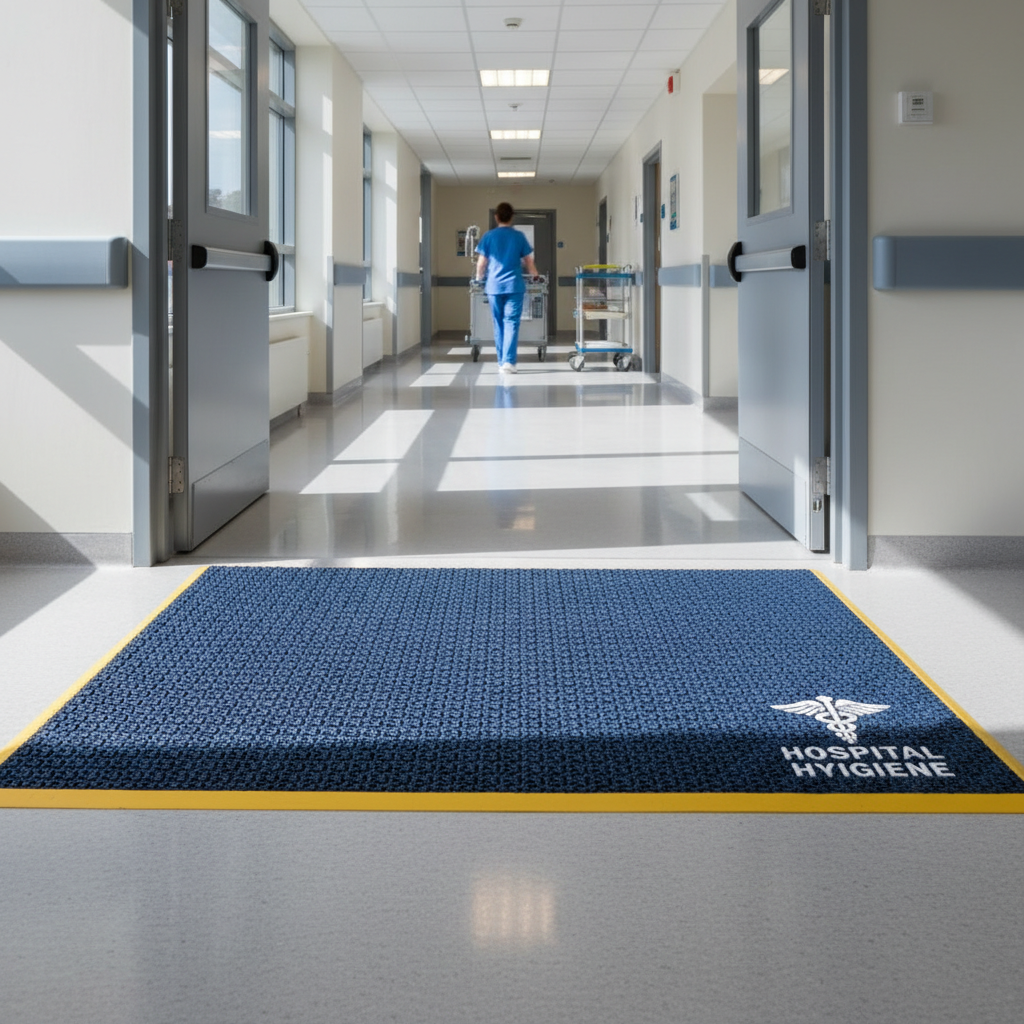
In the dynamic and often demanding environment of healthcare, every detail contributes to the safety, hygiene, and efficiency of operations. While often overlooked, the flooring solution plays a critical role. Specifically, high-quality healthcare and hospital floor mats are not just accessories; they are fundamental components that enhance patient safety, protect staff well-being, and maintain stringent hygiene standards.
From bustling emergency rooms to quiet patient corridors and demanding operating theaters, the right matting solutions can make a profound difference. This blog post delves into the multifaceted benefits of commercial matting in medical facilities, highlighting how they contribute to a safer, cleaner, and more comfortable environment for everyone.
The Unseen Heroes: Why Floor Mats Matter in Healthcare
Healthcare facilities face unique challenges, including heavy foot traffic, constant exposure to spills, and the critical need for infection control. Floor mats are designed to address these specific concerns effectively.
Enhancing Safety & Preventing Slips, Trips, and Falls
Slips, trips, and falls (STFs) are a significant concern in healthcare, affecting both patients and staff. According to the Occupational Safety and Health Administration (OSHA), STFs are a leading cause of injuries in the workplace, and hospitals are no exception. Wet floors from spills, tracked-in moisture, or cleaning processes pose considerable risks. High-quality matting provides enhanced traction, drastically reducing the likelihood of such accidents.
- Non-Slip Surfaces: Mats with high coefficient of friction ratings provide superior grip, even when wet.
- Defined Pathways: Mats can delineate safe walking zones, guiding foot traffic and reducing confusion.
- Edge Safety: Bevelled edges on mats prevent tripping hazards, ensuring smooth transitions.
Investing in effective non-slip matting is a proactive step towards creating a safer environment, protecting both those receiving and providing care. For a comprehensive range of safety solutions, visit IdealMats.co.uk.
Prioritizing Hygiene with Anti-Microbial Solutions
Infection control is paramount in healthcare. Floors can be breeding grounds for bacteria, viruses, and fungi if not properly managed. Anti-microbial floor mats are specifically engineered to inhibit the growth of microorganisms, playing a vital role in preventing the spread of hospital-acquired infections (HAIs).
- Bacterial Growth Inhibition: Mats treated with anti-microbial agents actively resist the proliferation of harmful pathogens.
- Containment of Contaminants: Entrance mats trap dirt, dust, and moisture, preventing them from being tracked further into sterile areas. Studies suggest that proper entrance matting can remove up to 80% of walked-in dirt and moisture.
- Easy to Clean: Many healthcare mats are designed for effortless cleaning, allowing for quick disinfection and maintenance of sterile conditions.
The strategic placement of anti-microbial mats in key areas like entrances, patient rooms, and laboratories is a critical component of a robust infection prevention strategy.
Combatting Fatigue for Healthcare Professionals
Healthcare professionals often spend long hours on their feet, leading to fatigue, discomfort, and musculoskeletal issues. Anti-fatigue mats are specifically designed to reduce the strain on the feet, legs, and back by promoting subtle muscle movements and improving circulation.
- Enhanced Comfort: Cushioned surfaces absorb shock, reducing stress on joints.
- Improved Productivity: Less discomfort translates to higher concentration and reduced errors.
- Reduced Absenteeism: Mitigating physical strain can lead to fewer work-related injuries and sick days.
Areas such as operating rooms, nurses’ stations, laboratories, and pharmacies benefit immensely from anti-fatigue matting, contributing to the well-being and longevity of dedicated staff. Explore specialized options at SpecialistMats.co.uk.
Noise Reduction and Patient Comfort
Hospitals can be noisy environments, impacting patient recovery and staff concentration. Hard flooring surfaces often amplify sound. Mats, especially those with thicker construction, can absorb ambient noise, contributing to a quieter, more calming atmosphere conducive to healing and focus.
Types of Mats for Healthcare Environments
Different areas within a hospital or clinic have distinct needs, requiring a tailored approach to matting.
- Entrance Mats: The first line of defense, designed to scrape off and absorb dirt, moisture, and pathogens from footwear before they enter the facility. They are essential for cleanliness and safety.
- Anti-Fatigue Mats: Ideal for areas where staff stand for extended periods, such as operating theaters, prep areas, nurses’ stations, and laboratory benches.
- Anti-Microbial/Sanitizing Mats: Crucial for sterile zones, isolation rooms, and areas requiring strict hygiene control. These mats can be impregnated with disinfectant solutions or feature anti-microbial properties in their material.
- Wet Area Mats: For areas prone to spills or high moisture, such as kitchens, laundry rooms, and decontamination zones, these mats offer excellent drainage and slip resistance.
- Branded Logo Mats: Beyond functionality, logo mats at entrances or reception areas reinforce institutional branding and create a professional, welcoming impression. Discover customization options at Logo-Mats.co.uk and PremierLogoMats.eu. For even more specialized branding, consider SpecialistLogoMats.co.uk.
Key Features to Look for in Healthcare Mats
When selecting mats for a healthcare facility, consider the following attributes:
- Slip Resistance: Look for mats certified by recognized bodies like the National Floor Safety Institute (NFSI) to ensure maximum grip.
- Durability and Longevity: Mats must withstand heavy traffic, frequent cleaning, and exposure to various chemicals without degrading.
- Ease of Cleaning and Maintenance: Mats should be easy to clean, quick-drying, and resistant to common disinfectants.
- Material Composition: Nitrile rubber, PVC, and closed-cell foam are common materials, each offering specific benefits like chemical resistance, anti-microbial properties, or superior cushioning.
- ADA Compliance: Ensure mats have low profiles and bevelled edges to prevent tripping hazards and comply with accessibility standards.
Choosing the Right Mat Supplier
Selecting the right supplier is as important as choosing the right mats. A reputable provider understands the specific demands of the healthcare sector and can offer tailored solutions that meet regulatory standards and operational needs.
Look for suppliers who:
- Offer a wide range of specialized healthcare matting.
- Provide high-quality, durable, and certified products.
- Can offer custom sizes and branding options.
- Have expertise in healthcare safety and hygiene requirements.
Trusted partners like IdealMats.co.uk and SpecialistMats.co.uk specialize in providing commercial-grade matting solutions designed for the rigorous demands of hospitals and clinics, ensuring both performance and compliance.
Conclusion
The strategic implementation of high-quality floor mats in healthcare and hospital settings is a wise investment that yields significant returns in safety, hygiene, and comfort. By mitigating slip hazards, controlling infection spread, and supporting staff well-being, these essential tools contribute to a more efficient, compliant, and patient-friendly environment.
Prioritizing the right matting solutions means prioritizing the health and safety of everyone within a healthcare facility. It’s a commitment to excellence that underscores the dedication to providing the best possible care.