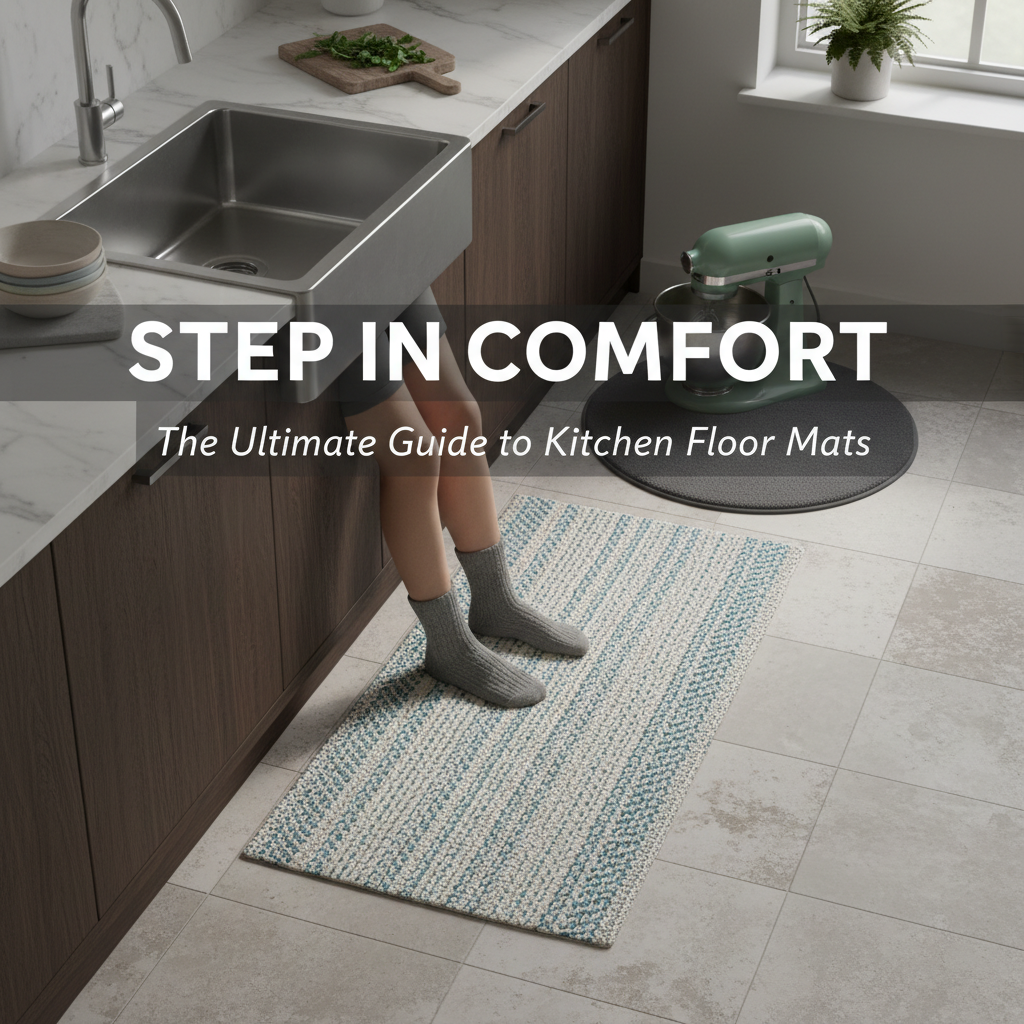
The fast-paced environment of a commercial kitchen or catering business is a hub of activity, but it’s also fraught with potential hazards. Spills, grease, and long hours standing can lead to accidents and discomfort for your staff. Investing in high-quality kitchen and catering floor mats is not just an operational choice—it’s a commitment to safety and efficiency. This guide will walk you through the essential role these mats play and how to choose the right ones for your business, backed by facts from trusted sources.
The Slippery Truth: Why Kitchen Flooring Demands Attention
According to the UK’s Health and Safety Executive (HSE), slips, trips, and falls are the most common cause of major workplace injuries. In the food and drink sector, these incidents account for a significant portion of reported injuries. A wet or greasy floor can turn a bustling kitchen into a dangerous ice rink in seconds. The HSE emphasizes that “80% of ‘slip’ accidents are preventable” with proper flooring and matting solutions. This is where specialized kitchen mats become indispensable, providing the first line of defence against these preventable accidents.
Core Benefits of a Well-Matted Kitchen Floor
Beyond the primary goal of accident prevention, the right kitchen mats offer a suite of benefits that contribute to a safer, more productive, and hygienic workplace. Explore our range of solutions at IdealMats to find the perfect fit for your needs.
1. Enhanced Safety and Slip Resistance
The number one reason to install kitchen mats is to increase traction. Look for mats made from high-grip materials like nitrile rubber, which is specifically designed to be grease-proof and reduce the risk of slips even when exposed to oils and water. Many kitchen mats also feature drainage holes to allow liquids to pass through, keeping the top surface dry and safe to walk on.
2. Superior Comfort and Reduced Fatigue
Kitchen staff spend countless hours on their feet, leading to physical strain on their back, legs, and feet. This is more than just a comfort issue; it can impact productivity and lead to long-term health problems. Anti-fatigue mats are ergonomically designed to cushion the floor, promoting subtle movements in the legs and muscles. A study published by the National Center for Biotechnology Information (NCBI) found that standing on anti-fatigue mats significantly reduces discomfort and fatigue. This small investment can lead to a happier, healthier, and more focused team.
3. Improved Hygiene and Cleanliness
Maintaining a clean environment is non-negotiable in the food service industry. Kitchen mats can help contain spills and debris, preventing them from being tracked throughout the establishment. We recommend mats treated with anti-microbial properties to inhibit the growth of bacteria and fungi, a crucial feature in an environment where food is being prepared. For more specialized hygiene solutions, check out our partners at Specialist Mats.
4. Protection for Your Floors
Heavy equipment, constant foot traffic, and dropped utensils can take a toll on your kitchen floors. High-quality rubber mats act as a protective barrier, absorbing impact and preventing cracks, scratches, and other damage. This not only preserves the appearance of your flooring but also saves you from costly repairs or replacements down the line.
Choosing the Right Mat for Your Kitchen: A Breakdown of Types
With various options available, it’s important to select a mat that suits the specific needs of your kitchen. Here are the most common types:
- Grease-Resistant Mats: Essential for cooking areas, these mats are typically made from 100% nitrile rubber to withstand animal fats, oils, and chemicals without degrading. They provide a stable, non-slip surface where it’s needed most.
- Anti-Fatigue Mats: Ideal for food prep stations, washing areas, and service counters where staff stand for extended periods. Their cushioned design provides essential ergonomic support.
- Drainage Mats: Perfect for dishwashing stations or areas prone to liquid spills. These mats have holes or slats that allow water and other fluids to drain away, keeping the standing surface clear and safe.
- Non-Slip Mats: A versatile option for walkways, entrances, and general-purpose areas. They offer excellent grip and are a fundamental part of any comprehensive floor safety plan.
For businesses looking to combine functionality with branding, Logo Mats can provide custom solutions for staff entrances or less demanding areas, reinforcing your brand identity from the ground up.
HSE Guidelines and Best Practices
The HSE provides clear guidance on preventing slips in kitchens. Key recommendations include:
- Effective Matting Systems: Using mats in areas prone to contamination from water, food debris, or oil.
- Proper Cleaning Regimes: Ensuring that both floors and mats are cleaned regularly to prevent the build-up of grease and other contaminants.
- Correct Footwear: Encouraging staff to wear sensible, slip-resistant footwear suitable for a kitchen environment.
By following these guidelines and investing in the right matting solutions, you create a culture of safety that protects your most valuable asset—your people. For European businesses, our partners at Premier Logo Mats and Specialist Logo Mats offer a wide range of compliant and effective matting options.
Conclusion: The Foundation of a Safe and Efficient Kitchen
Kitchen and catering floor mats are a critical component of a safe, hygienic, and productive food service operation. By reducing the risk of slips and falls, providing essential comfort for your staff, and protecting your flooring, they deliver a significant return on investment. Take the time to assess your kitchen’s unique needs and choose high-quality, purpose-built mats.
Don’t wait for an accident to happen. Proactively enhance the safety and efficiency of your workplace by exploring the comprehensive range of kitchen and catering mats available at IdealMats today. Your staff and your business will thank you for it.