
Introduction: The Critical Role of Matting in Educational Environments
Schools, colleges, and educational facilities face unique challenges when it comes to floor safety, cleanliness, and durability. With thousands of students, staff, and visitors passing through corridors, classrooms, and entrances daily, the right matting solutions aren’t just an accessory—they’re an essential component of effective facility management. Properly selected and maintained matting can dramatically reduce accidents, improve hygiene, extend floor life, and even enhance the learning environment through noise reduction and visual appeal.
Why School Matting Matters: The Statistics Speak
Educational facilities are high-traffic environments where slip, trip, and fall accidents pose significant risks. According to the Health and Safety Executive (HSE), slips, trips, and falls account for approximately 40% of all reported major injuries in the education sector. The Royal Society for the Prevention of Accidents (RoSPA) notes that these incidents are particularly prevalent in school corridors, entrances, and playgrounds where moisture, debris, and uneven surfaces create hazardous conditions.
Research from the Department for Education indicates that implementing proper floor safety measures, including appropriate matting, can reduce slip-related accidents by up to 90%. This not only protects students and staff but also reduces liability claims and disruption to educational activities.
Essential Matting Types for Educational Facilities
1. Entrance & Scraper Matting Systems
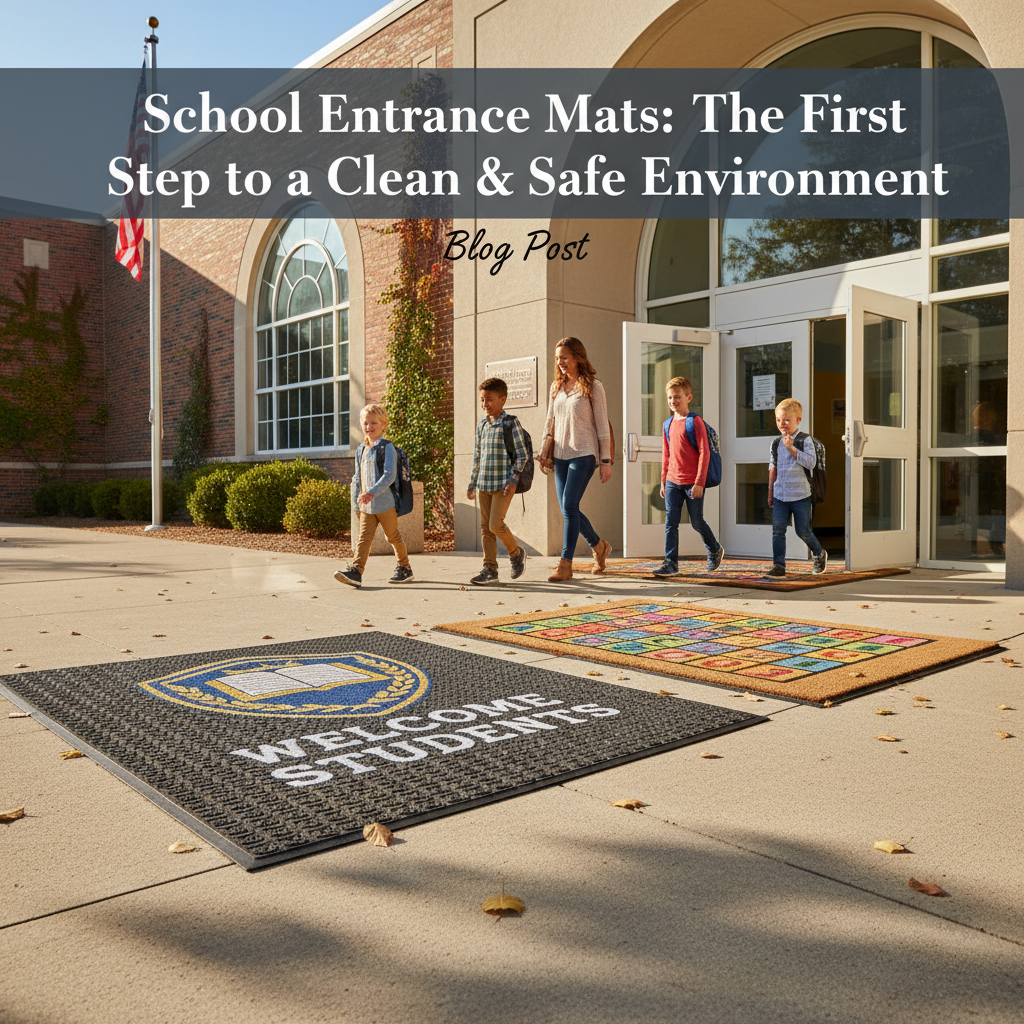
School entrances are the first line of defense against dirt, moisture, and contaminants. High-performance entrance matting systems from providers like IdealMats capture up to 80% of dirt and moisture before it enters the building. These systems typically feature a durable scraper surface followed by absorbent pile sections, effectively protecting interior floors and reducing cleaning costs by up to 60% according to facilities management studies.
2. Anti-Fatigue Mats for Staff Areas
Teachers and kitchen staff spend extensive periods standing, making anti-fatigue matting crucial in staff rooms, laboratories, kitchens, and reception areas. These specially designed mats reduce pressure on joints and muscles, potentially decreasing fatigue-related injuries by 30-50%. Specialist providers like Specialist Mats offer ergonomic solutions that combine comfort with slip resistance and easy cleaning properties.
3. Safety & Playground Surfacing
Playgrounds and sports areas require impact-absorbing surfaces that meet stringent safety standards. BS 7188 compliant playground surfacing can reduce the severity of fall-related injuries by up to 70%. These surfaces are particularly important in Early Years Foundation Stage (EYFS) settings where young children are developing coordination skills.
4. Custom Logo & Wayfinding Matting
Branded matting serves dual purposes: enhancing safety while reinforcing school identity and wayfinding. Companies like Logo Mats and Specialist Logo Mats create custom solutions featuring school logos, house colors, or directional arrows that guide foot traffic while creating a professional, branded environment.
Key Benefits of Proper School Matting
Enhanced Safety & Accident Prevention
Quality matting significantly reduces slip hazards by providing traction on wet or polished surfaces. The HSE’s slip resistance guidelines recommend surfaces with Pendulum Test Values (PTV) of 36 or higher for high-traffic areas. Modern school matting often exceeds these requirements, with many products achieving PTV ratings of 45-60 even when wet.
- Reduces slip accidents by up to 90%
- Meets and exceeds safety standards (BS EN 13893)
- Provides consistent traction in all weather conditions
- Creates clear visual boundaries for hazardous areas
Improved Hygiene & Infection Control
Educational facilities are hotspots for germ transmission. Antimicrobial matting technologies, particularly important in post-pandemic environments, inhibit the growth of bacteria, mold, and fungi. Studies from the NHS show that proper entrance matting can reduce indoor bacterial counts by up to 70% by trapping pathogens at the door.
Noise Reduction & Acoustic Benefits
Excessive noise negatively impacts learning outcomes. Acoustic matting in corridors and communal areas can reduce ambient noise levels by 5-10 decibels, creating calmer environments conducive to concentration and learning. This is particularly valuable in special educational needs (SEN) settings where noise sensitivity is common.
Floor Protection & Cost Savings
School flooring represents a significant investment. Proper matting extends floor life by protecting against abrasion, chemical damage, and moisture penetration. The Cleaning and Hygiene Suppliers Association reports that effective entrance matting systems can reduce floor maintenance costs by 40-60% over the lifetime of the flooring.
Compliance & Standards for Educational Matting
UK educational facilities must adhere to several regulatory frameworks:
- Health and Safety at Work Act 1974: Requires employers to ensure safe premises for staff and visitors
- Workplace (Health, Safety and Welfare) Regulations 1992: Specifically addresses floor conditions and slip resistance
- BS EN 13893: European standard for slip resistance of sports and recreational surfaces
- BS 7188: Impact absorbing playground surfaces performance requirements
- The Equality Act 2010: Requires reasonable adjustments for accessibility, including appropriate floor surfaces
Professional suppliers like Premier Logo Mats ensure their products meet or exceed these standards, providing documentation and test certificates for facility managers.
Area-Specific Matting Recommendations
Entrances & Reception Areas
Recommend: Heavy-duty scraper mat systems with at least 5-meter walk-off zones. Consider custom logo matting to create positive first impressions.
Corridors & Hallways
Recommend: Low-profile anti-slip runners that maintain accessibility while providing consistent traction. Acoustically enhanced options reduce noise transmission between classrooms.
Classrooms & Libraries
Recommend: Static-control matting for computer areas, anti-fatigue mats for teacher stations, and carpet protector mats for high-chair zones in early years settings.
Science Labs & Technology Rooms
Recommend: Chemical-resistant matting that withstands spills while providing electrical safety properties. Look for non-absorbent, easy-to-clean materials.
Sports Facilities & Changing Rooms
Recommend: Drainage matting for shower areas, anti-microbial surfaces for changing rooms, and high-impact sports flooring for gymnasiums.
Maintenance & Care Best Practices
Proper maintenance extends mat life and ensures continued safety performance:
- Daily: Vacuum or shake out loose debris
- Weekly: Deep clean with appropriate cleaning solutions
- Monthly: Inspect for wear, damage, or reduced slip resistance
- Quarterly: Professional deep cleaning for heavily soiled areas
- Annually: Complete performance assessment and replacement planning
Many suppliers offer maintenance programs and replacement services to ensure consistent protection year-round.
Choosing the Right Supplier
When selecting matting for educational facilities, consider suppliers who:
- Specialize in educational and commercial applications
- Provide comprehensive safety testing documentation
- Offer custom solutions for unique spaces and requirements
- Have experience working with local authorities and educational trusts
- Provide installation, maintenance, and replacement services
Established providers like IdealMats and their associated brands bring decades of experience in educational facility matting, ensuring solutions that balance safety, durability, and budget considerations.
Conclusion: Investing in Safety Through Smart Matting
Educational facility matting represents a strategic investment in student and staff safety, operational efficiency, and long-term cost management. By selecting appropriate matting solutions for different areas and maintaining them properly, schools can create safer, cleaner, and more productive learning environments. The relatively modest upfront investment in quality matting pays dividends through reduced accident rates, lower maintenance costs, and extended floor life—all while supporting the educational mission through improved environmental conditions.
As educational facilities continue to evolve, incorporating smart matting solutions remains a fundamental aspect of responsible facility management. Whether you’re upgrading an existing school or specifying matting for new construction, partnering with experienced specialists ensures you receive solutions that meet regulatory requirements, withstand heavy use, and contribute to a positive educational experience for all users.