
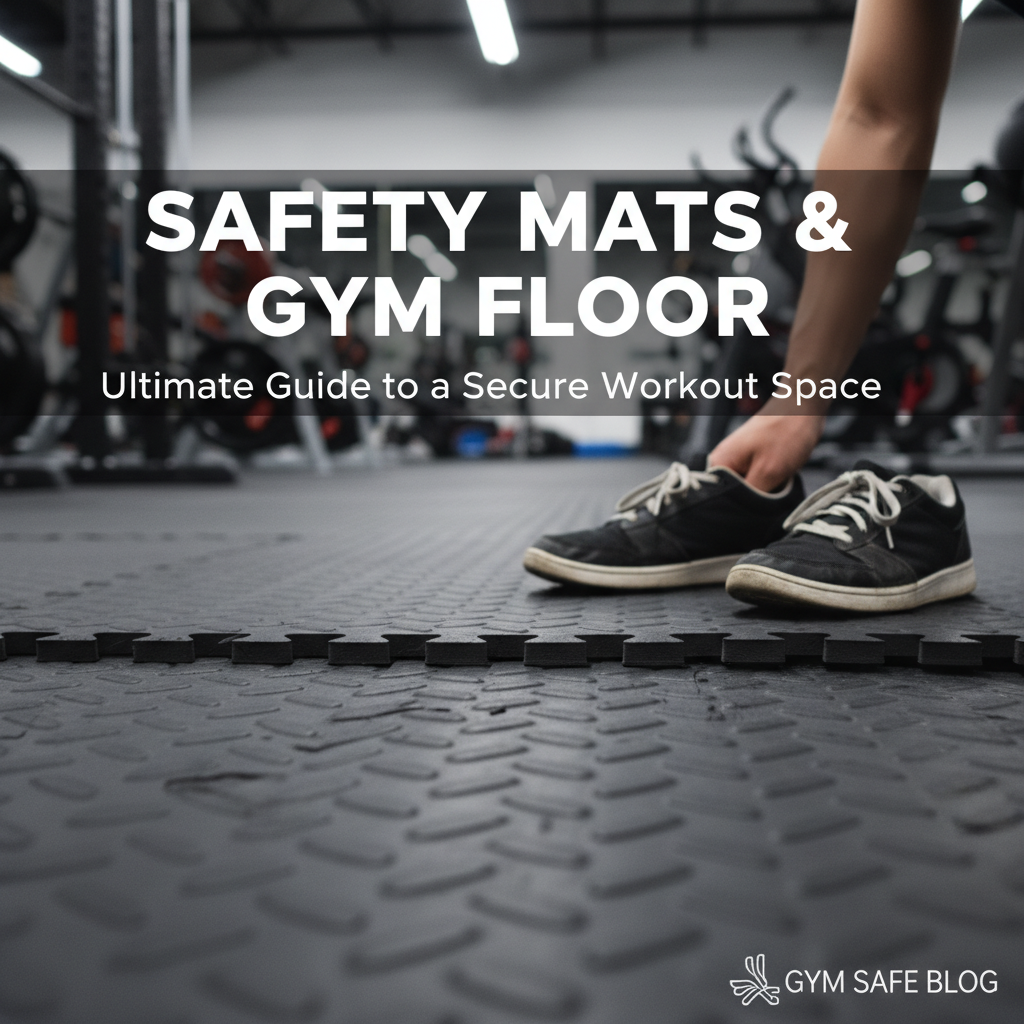
The modern gym and fitness centre is a dynamic environment, a hub of activity where individuals push their limits, build strength, and achieve their health goals. Amidst the clanking of weights, the whir of cardio machines, and the flow of yoga sequences, one crucial element often goes overlooked yet plays a foundational role in safety, performance, and longevity: the floor matting. High-quality gym and fitness centre floor mats are not merely an accessory; they are an indispensable investment for any establishment serious about protecting its members, equipment, and property.
From preventing slips and falls to absorbing heavy impacts and enhancing hygiene, the right matting solution creates a safer, more comfortable, and durable fitness space. This comprehensive guide will delve into the essential role of gym mats, explore various types, and help you understand how to choose the best options for your facility.
Why Gym & Fitness Centre Floor Mats Are Essential
The benefits of installing appropriate floor mats in a gym extend far beyond aesthetics. They are fundamental to operational efficiency and member satisfaction.
Enhanced Safety and Injury Prevention
Safety should always be the top priority in any fitness environment. Exercise involves movement, sweat, and sometimes heavy equipment, all of which can increase the risk of accidents. According to the National Safety Council, slips, trips, and falls account for a significant percentage of accidental injuries. Quality gym mats, especially those with anti-slip properties, provide crucial traction, significantly reducing the likelihood of such incidents.
Moreover, the shock-absorbing qualities of specialized gym mats are vital for injury prevention. High-impact activities like weightlifting, plyometrics, or even intense cardio can put immense stress on joints. Studies in sports science suggest that shock-absorbing mats can reduce impact forces on the body by 50-60%, safeguarding knees, ankles, and spines from repetitive strain injuries like shin splints and stress fractures. This protection not only keeps members safer but also contributes to their long-term fitness journey.
Superior Floor Protection
The flooring in a gym undergoes constant abuse from dropped weights, heavy machinery, and continuous foot traffic. Without adequate protection, concrete or traditional flooring can quickly crack, chip, and degrade, leading to costly repairs and potential safety hazards. Durable gym mats act as a robust barrier, absorbing the impact from dropped dumbbells, barbells, and kettlebells, thereby protecting the underlying subfloor. This extends the life of your facility’s infrastructure and maintains a professional appearance.
Noise Reduction and Acoustics
A busy gym can be a noisy place. The clang of weights, the thud of treadmills, and the general buzz of activity can create a distracting and sometimes irritating environment. Gym mats, particularly thicker rubber options, are excellent at dampening sound and absorbing vibrations. This significantly improves the acoustic quality of the space, creating a more pleasant atmosphere for members and reducing noise disturbances to neighboring areas, a crucial consideration for commercial establishments.
Improved Hygiene and Maintenance
Fitness environments are prone to sweat, dirt, and bacteria. Easy-to-clean, non-porous gym mats are essential for maintaining a hygienic facility. Unlike carpet or untreated concrete, most commercial-grade gym mats are resistant to moisture absorption and can be quickly wiped down or disinfected, preventing the growth of mold, mildew, and unpleasant odors. This contributes to a healthier environment for everyone and simplifies the cleaning regimen for staff.
Types of Gym Mats for Every Need
The market offers a diverse range of gym matting solutions, each designed for specific applications and levels of intensity. Understanding the differences is key to making the right choice for your facility.
Rubber Gym Mats: Heavy-Duty & Versatile
By far the most popular choice for commercial gyms, rubber mats offer unparalleled durability, excellent shock absorption, and superior grip. Often made from recycled tires, they are an eco-friendly and robust solution. They come in various thicknesses, typically ranging from 3/8 inch (9.5mm) for general use to 1 inch (25mm) or more for heavy weightlifting areas. Rubber mats are ideal for free weight zones, cardio areas, and functional training spaces due to their resilience and protective qualities. For a wide range of commercial and industrial rubber matting solutions, visit IdealMats.
Foam Mats: Lightweight & Versatile
Foam mats, such as EVA foam, are lighter and softer than rubber. They provide good cushioning for bodyweight exercises, yoga, Pilates, stretching, and martial arts. While they offer comfort and some shock absorption, they are less durable than rubber for areas with heavy equipment or dropped weights. They are often found in studios or dedicated stretching zones where impact is minimal.
Interlocking Tile Systems: Modular & Expandable
Many gym mats come in interlocking tile formats, allowing for easy installation, customization, and expansion. These systems are popular because they can be fitted to any room shape and size, and individual tiles can be replaced if damaged, reducing overall maintenance costs. They are available in both rubber and foam materials, offering flexibility for different zones within a gym. For specialist interlocking flooring solutions, consider exploring options at Specialist Mats.
Specialist Mats for Specific Zones
- Weightlifting Platforms: Often combine a dense rubber base with a wooden insert, providing a stable, level surface for Olympic lifts while protecting the floor.
- Treadmill/Cardio Mats: Thinner rubber or PVC mats designed to reduce vibration and protect the floor under individual machines.
- Anti-Fatigue Mats: Ideal for areas where staff or members stand for extended periods, such as reception desks or trainer stations.
Choosing the Right Mats: Key Considerations
Selecting the optimal matting requires careful consideration of several factors:
Material & Thickness
The material (rubber, foam) and thickness are paramount. For heavy impact areas, rubber mats of 3/4″ to 1″ are recommended. For general fitness and cardio, 3/8″ to 1/2″ might suffice. Ensure the material is dense enough to withstand the intended activity without premature wear.
Density & Shock Absorption
Higher density rubber mats provide better shock absorption and durability. This is critical for areas where heavy weights are used, protecting both the floor and the lifter’s joints. Look for products designed specifically for commercial gym use, which typically have higher impact ratings.
Anti-Slip Properties
To prevent accidents, mats must have excellent anti-slip characteristics, even when wet. Textured surfaces and high-friction materials are essential, especially in areas prone to sweat.
Ease of Cleaning & Maintenance
Prioritize mats that are easy to clean, non-absorbent, and resistant to common cleaning agents. This ensures a hygienic environment and simplifies upkeep for your staff.
Ideal Mats for Different Fitness Zones
Tailoring your matting strategy to specific zones within your gym maximizes effectiveness and safety.
Weightlifting & Free Weight Areas
This is where the most robust protection is needed. Thick (3/4″ to 1″ or more) virgin or recycled rubber mats are essential. These mats should have high density and excellent shock absorption to protect floors from dropped barbells and dumbbells, and to cushion lifters.
Cardio Zones
For treadmills, ellipticals, and stationary bikes, thinner (3/8″ to 1/2″) rubber mats are effective. They reduce machine vibration, absorb minor impacts, and protect the underlying floor from scratches and scuffs caused by equipment movement. This extends the life of both the equipment and the floor.
Yoga, Pilates & Stretching Areas
Softer, more comfortable mats are preferred here. EVA foam mats or thinner rubber rolls offer cushioning for floor exercises and provide a clean, dedicated space for flexibility work. The focus is on comfort and hygiene.
Entrances & Changing Rooms
Entrance mats are crucial for trapping dirt and moisture before it enters the main gym area, preventing slips and keeping the facility cleaner. In changing rooms, anti-slip matting is important for wet areas. Consider custom branded mats from Logo Mats or Premier Logo Mats EU to reinforce your gym’s brand identity right from the entrance. For even more specialized branding solutions, explore Specialist Logo Mats.
Investing in Quality: The IdealMats Difference
Choosing the right gym and fitness centre floor mats is a critical decision that impacts the safety of your members, the longevity of your equipment, and the overall professionalism of your facility. While upfront costs might seem a factor, the long-term benefits of durability, injury prevention, and reduced maintenance far outweigh initial expenses.
High-quality matting from reputable suppliers like IdealMats provides peace of mind, knowing that you’re investing in solutions designed for demanding commercial environments. By understanding your specific needs and selecting the appropriate mats for each zone, you can create a safer, more efficient, and more inviting fitness experience for everyone.
Don’t compromise on the foundation of your fitness centre. Invest in premium gym mats to build a space that truly supports health, performance, and lasting success.