
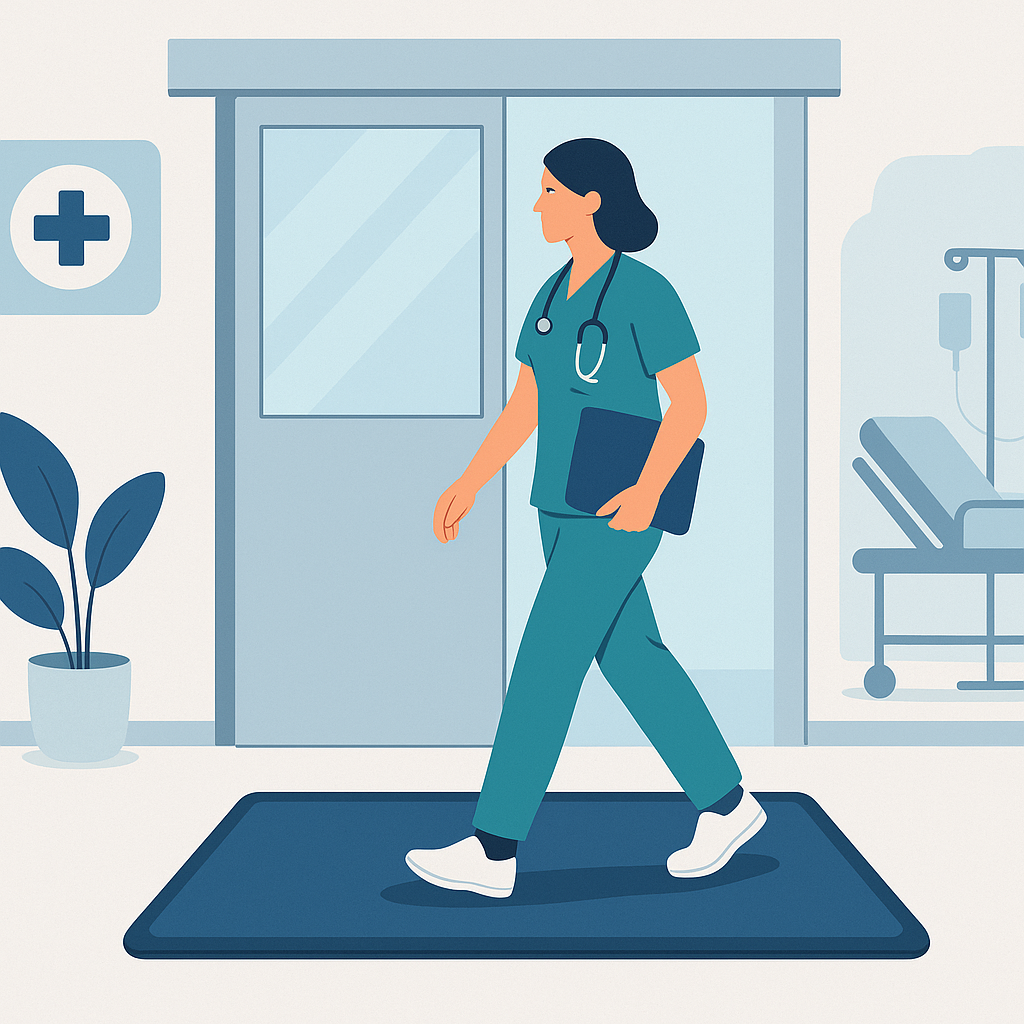
In the fast-paced, high-stakes environment of a healthcare facility, every detail matters. From the sterility of surgical instruments to the air filtration systems, patient and staff well-being is the top priority. However, one of the most fundamental and often overlooked assets in maintaining a safe and clean hospital is the humble floor mat. Far from being a simple accessory, the right matting system is a critical investment in infection control, accident prevention, and staff wellness.
A well-thought-out floor mat strategy can dramatically reduce the spread of contaminants, prevent dangerous slips and falls, and even improve the productivity and comfort of medical professionals. This guide will walk you through the essential types of hospital and healthcare floor mats and explain how they contribute to a safer, more hygienic environment.

Why Floor Mats are Non-Negotiable in Healthcare Settings
The floors in a hospital see constant traffic—from patients, visitors, and staff to rolling carts and medical equipment. This makes them a primary vector for the transmission of dirt, moisture, and dangerous pathogens. High-quality commercial matting acts as the first line of defense.
- Infection Control: Up to 80% of dirt and contaminants in a building are tracked in on the bottoms of shoes. In a healthcare setting, this “dirt” can include harmful bacteria and viruses. According to the World Health Organization (WHO), hundreds of millions of patients are affected by Health Care-Associated Infections (HAIs) worldwide each year. Entrance mats and specialized contamination control mats capture these particles, preventing them from spreading to sensitive areas like patient rooms and operating theaters.
- Slip and Fall Prevention: Slips, trips, and falls are a major concern in hospitals. The U.S. Bureau of Labor Statistics consistently reports that the healthcare and social assistance sector has one of the highest rates of nonfatal occupational injuries, with falls being a major contributor. Properly placed water-absorbent mats in entrances and non-slip mats in wet areas are essential for mitigating this risk for both staff and patients.
- Staff Comfort and Productivity: Healthcare professionals spend most of their shifts on their feet, often for 12 hours or more. This can lead to significant physical strain, including back pain, foot fatigue, and musculoskeletal disorders. Anti-fatigue mats provide crucial cushioning and support, which is proven to reduce fatigue and improve concentration and productivity.
The Right Mat for Every Hospital Zone
A “one-size-fits-all” approach to hospital matting is ineffective. Different areas have unique challenges that require specific types of mats. Strategically zoning your facility with the right matting solution ensures maximum effectiveness.
Entrance and Scraper Mats
The journey to a cleaner hospital begins at the entrance. Heavy-duty scraper and entrance mats are designed to withstand high foot traffic while aggressively removing dirt, debris, and moisture from footwear. By trapping these elements at the door, they significantly reduce the amount of contaminants tracked inside, lower cleaning costs, and prevent entryway slip hazards.
Anti-Microbial & Contamination Control Mats
These are specialized mats for critical environments like operating rooms, intensive care units (ICUs), pharmacies, and laboratories. They often feature a tacky surface that pulls contaminants off shoes and wheels, with multiple peel-away layers to reveal a fresh, clean surface. Many are also treated with antimicrobial agents that inhibit the growth of bacteria, making them a vital tool in any infection control protocol.

Anti-Fatigue Mats
Essential for areas where staff remain stationary for long periods, such as nurses’ stations, surgical suites, pharmacies, and lab testing areas. These mats are ergonomically designed to stimulate subtle muscle movement, which promotes blood flow and reduces the pain and fatigue associated with prolonged standing. This not only improves staff morale but can also enhance focus and reduce the risk of errors. Look for options that are also chemical-resistant and easy to sanitize.
Wet Area & Non-Slip Mats
Areas prone to moisture, spills, or frequent washing—such as sterile processing departments, kitchens, and janitorial closets—require mats designed for drainage and grip. These mats typically feature drainage holes to allow liquids to pass through and a highly textured surface to provide superior traction even when wet. This is crucial for preventing slips and falls in areas where the floor is rarely completely dry.
Enhancing Patient Experience and Branding with Logo Mats
While function is paramount, mats also offer an opportunity to enhance the facility’s aesthetics and branding. A custom logo mat at the main entrance creates a professional and welcoming first impression for patients and visitors. Beyond branding, these mats can be used for practical purposes like wayfinding, directing visitors to different departments, or displaying important messages such as “Masks Required” or “Quiet Zone.”
Key Considerations for Selecting Hospital Mats
When investing in floor mats for a healthcare facility, several factors must be considered to ensure you are getting a safe, durable, and effective product.
- Material: The mat’s material determines its durability and function. Nitrile rubber is a popular choice for hospital settings as it is highly durable, chemical-resistant, and often has antimicrobial properties.
- Backing: A non-slip backing is non-negotiable. Look for high-traction rubber backings that grip the floor securely and prevent the mat from shifting or curling, which can create a new trip hazard.
- Edging: All mats should have low-profile, beveled edges to ensure a smooth transition from the floor to the mat. This is critical for preventing trips, especially for patients with mobility issues or for rolling equipment.
- Compliance and Standards: Ensure your entrance matting systems comply with standards set by organizations like the National Floor Safety Institute (NFSI), which certifies products for high-traction properties.
- Cleaning and Maintenance: To be effective, mats must be easy to clean and sanitize. Choose mats that can withstand industrial laundering and frequent cleaning with hospital-grade disinfectants without degrading.
Conclusion: Investing in a Safer, Cleaner Healthcare Environment
Floor mats are more than just a finishing touch; they are a fundamental component of a comprehensive safety and hygiene program in any healthcare setting. By strategically deploying entrance, anti-fatigue, contamination control, and non-slip mats, hospitals can significantly reduce the risk of HAIs, prevent costly slips and falls, and improve the well-being of their dedicated staff.
Investing in high-quality, purpose-built matting is a direct investment in the health and safety of every person who walks through your doors. It’s a simple but powerful step toward creating a cleaner, safer, and more efficient healthcare environment for all.