
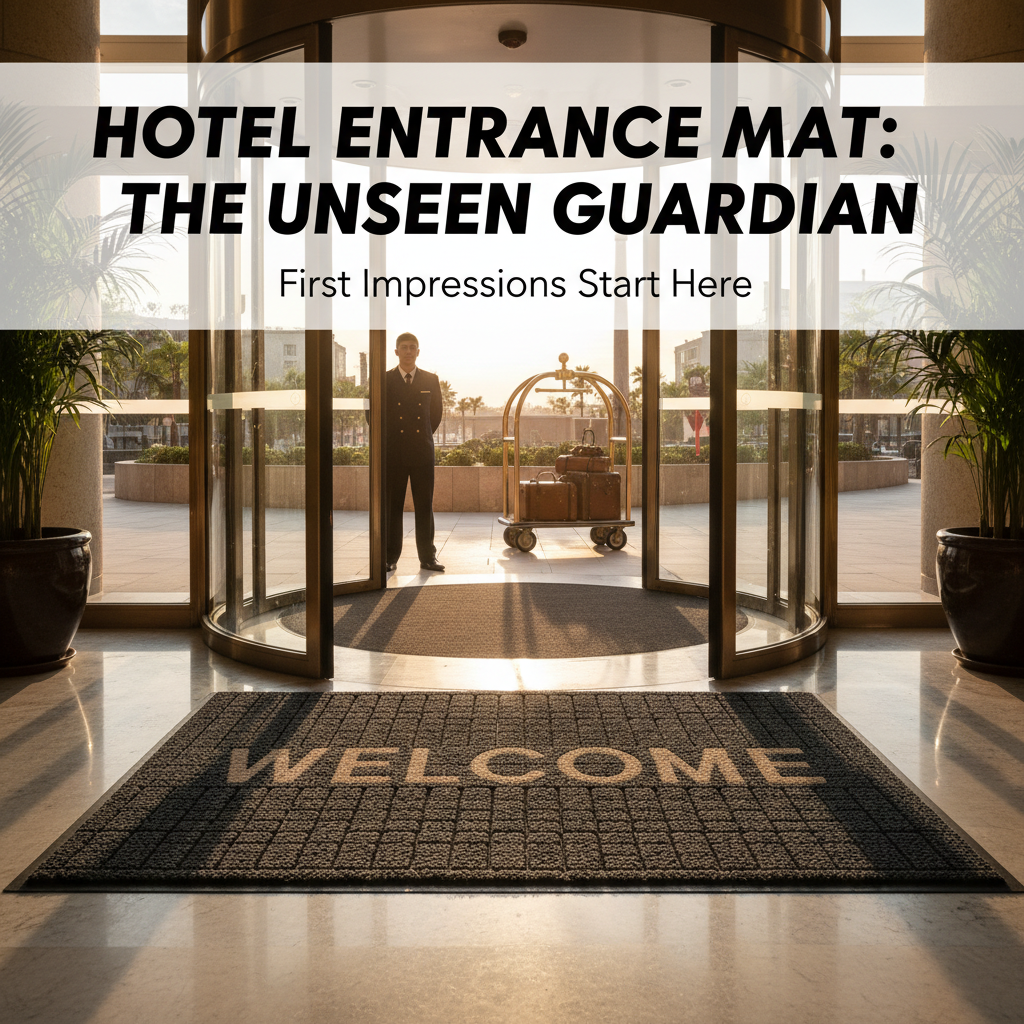
Why Hotel Entrance Mats Matter
Hotel entrances face the toughest wear and tear of any area in a hospitality venue. Guests arrive with luggage, umbrellas, sand, and moisture, all of which can damage delicate floor finishes and create slip hazards. Installing a purpose‑built entrance mat does more than protect flooring; it signals professionalism, reinforces brand identity, and improves safety compliance. In fact, a 2023 study by Grand View Research estimated the global commercial matting market at $5.2 billion and projects growth to $7.5 billion by 2030, driven largely by demand from the hospitality sector.
Enhancing Guest Safety
Health and Safety Executive (HSE) recommends a minimum slip‑resistance rating of 0.5 on wet surfaces to reduce fall risk. High‑performance entrance mats incorporate heavily treaded coir or rubber surfaces that meet or exceed this standard, even when exposed to rain, snow, or spilled liquids. A survey conducted by Hospitality Net in 2023 found that 78 % of guests consider floor safety a key factor in their overall impression of a hotel, and 62 % said they would avoid returning to an establishment with visible slip hazards. By investing in certified anti‑slip mats, operators can protect patrons, lower liability claims, and comply with UK building regulations. For more information on safety‑certified solutions, visit Ideal Mats.
Protecting Facility Floors and Reducing Costs
Beyond safety, entrance mats act as a first line of defence against dirt, moisture, and abrasive particles that would otherwise grind into carpet or tile seams. Studies by the British Institute of Cleaning Science indicate that strategically placed mats can reduce floor cleaning time by up to 30 % and extend the service life of hard‑floor finishes by several years. This translates into measurable cost savings for hotels, especially those with high occupancy rates. By trapping contaminants at the door, mats also help maintain a cleaner indoor air environment, which is increasingly important for guests with allergies or asthma. Learn how leading suppliers protect flooring at Specialist Mats.
Boosting Brand Image and Guest Perception
A well‑designed mat does more than protect; it reinforces brand messaging. Many leading hotel chains use custom logo mats to showcase their signature colours or tagline the moment a guest steps inside. According to a 2022 guest experience report by Hotel Management Magazine, 68 % of visitors notice the entrance flooring as part of the overall ambience, and 45 % associate a clean, branded mat with higher service expectations. Premium suppliers such as Logo Mats and Premier Logo Mats EU offer high‑resolution printing and durable backing that retain colour vibrancy even after heavy foot traffic, turning an ordinary doorway into a memorable brand touchpoint.
Types of Mats for Hospitality Environments
Hospitality venues typically deploy a combination of mat types to address specific needs. Scraper mats, often made from coir or synthetic fibres, capture large particles like sand and gravel before they reach interior flooring. Anti‑fatigue mats are ideal for staff areas, providing cushioning for employees who stand for long periods. Entrance logo mats can be customised with a hotel’s crest, while moisture‑absorbent mats use specially engineered layers to wick water away from the surface. Studies by the National Floor Safety Institute show that layered mat systems reduce moisture‑related slip incidents by up to 40 % compared with single‑layer solutions. For bespoke logo solutions, explore Specialist Logo Mats.
Materials and Performance Features
The performance of an entrance mat hinges on its material composition. Commercial‑grade coir offers excellent scraping power but can retain moisture, making it best suited for dry climates. Rubber and PVC blends provide superior water resistance and are easy to clean, ideal for rainy or snow‑prone regions. Microfibre mats combine high absorbency with a soft touch, enhancing guest comfort while still protecting flooring. Many manufacturers now embed antimicrobial agents to inhibit mould and bacteria growth, a feature highlighted in research published in the Journal of Hospitality Engineering. Selecting the right blend ensures durability, safety, and compliance with UK fire‑safety standards. Suppliers like Premier Logo Mats EU can advise on the best option for your climate and traffic profile.
Choosing the Right Mat for Your Property
When selecting an entrance mat for a hotel, operators should consider traffic volume, climate, aesthetic goals, and maintenance capabilities. High‑traffic lobby areas benefit from heavy‑duty scraper mats with reinforced edges to withstand constant use. In regions with severe winters, waterproof rubber mats prevent ice melt residue from damaging floors. For boutique properties that prioritise design, a custom logo mat from a provider like Logo Mats can enhance brand consistency without sacrificing performance. Finally, facilities managers should verify that any mat meets the British Standard BS 7975 for slip resistance and fire classification to avoid costly compliance retrofits later. For a wide selection of compliant mats, see Ideal Mats.
Installation Best Practices
Proper installation maximises a mat’s effectiveness. Mats should be positioned on a clean, level surface and secured with non‑slip pads or double‑sided tape to prevent movement. For large floor‑to‑ceiling entrances, consider modular mat systems that can be easily replaced when sections become worn. It is also advisable to install a slight overhang at the front edge to encourage guests to wipe shoes before stepping onto interior flooring. Regular inspection for wear, fraying, or discoloration helps maintain safety standards, and many suppliers such as Premier Logo Mats EU offer free site‑assessment services to recommend the optimal configuration.
Maintenance and Long‑Term Care
Routine maintenance prolongs a mat’s service life and preserves its protective qualities. Most commercial mats can be vacuumed daily to remove loose debris, while deep‑cleaning schedules typically involve hot water extraction or low‑pressure steam cleaning every two to three months. Suppliers often provide specific cleaning agents that protect the mat’s binding agents without compromising slip resistance. In addition, a quick visual inspection after each cleaning cycle ensures that no residue remains on the surface, which could otherwise create slip hazards. By adhering to a simple maintenance plan, hotels can keep entrance mats looking professional and functioning safely for years. For recommended cleaning products, refer to Specialist Mats.
Conclusion
In summary, hotel entrance mats are a strategic investment that blends safety, floor protection, and brand enhancement. By selecting certified, purpose‑designed solutions from reputable suppliers such as Ideal Mats, Specialist Mats, Logo Mats, Premier Logo Mats EU, and Specialist Logo Mats, hospitality operators can meet regulatory standards, delight guests, and reduce long‑term operational costs. As the industry continues to prioritise guest wellbeing, the role of high‑quality entrance matting will only grow in significance.