
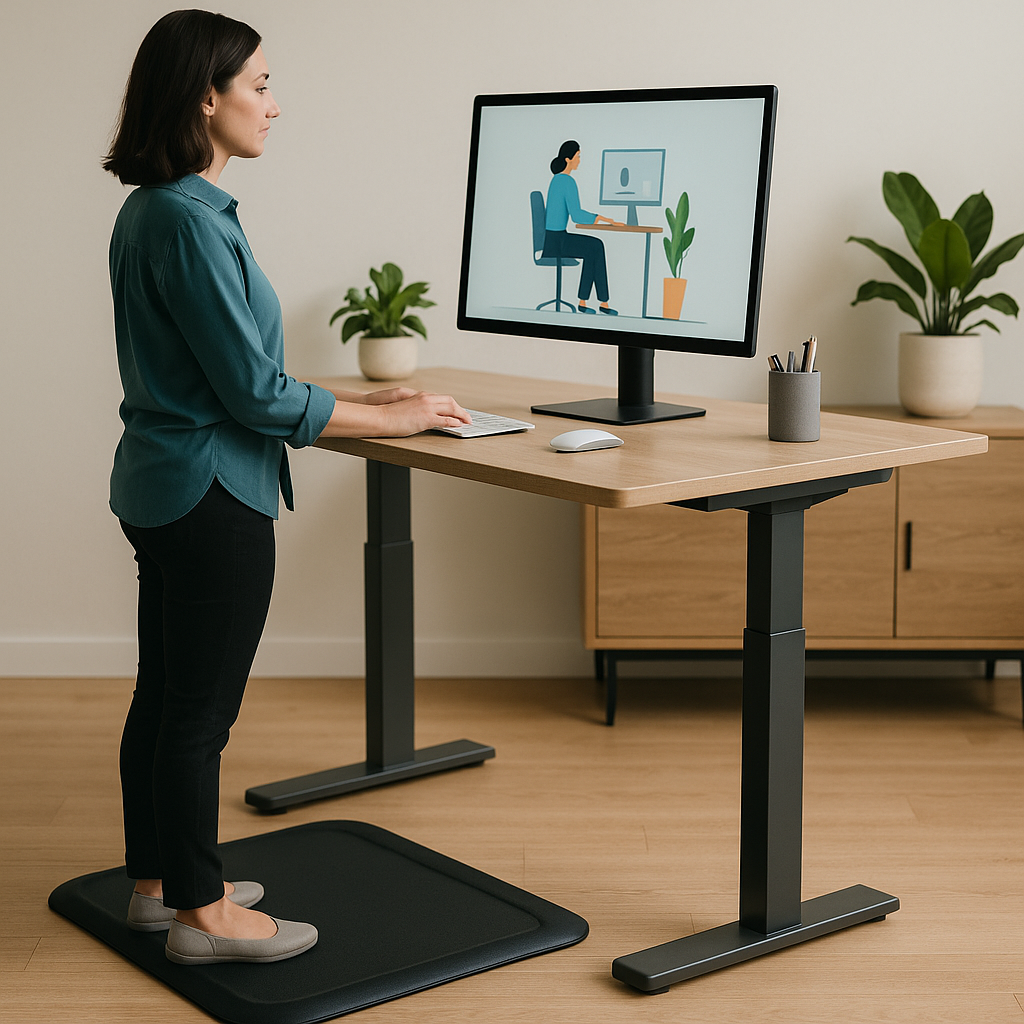
In any business, employees are the most valuable asset. Their health, comfort, and safety directly impact productivity, morale, and the bottom line. For employees who spend hours on their feet—whether at a standing desk, a retail counter, or an industrial workstation—the physical toll can be significant. This is where a simple yet powerful solution comes into play: ergonomic floor mats. Far more than just a piece of flooring, these mats are an investment in employee wellness and operational efficiency.
Prolonged standing on hard surfaces can lead to a host of health issues, including back pain, leg stiffness, and musculoskeletal disorders (MSDs). By providing a cushioned, supportive surface, ergonomic mats help mitigate these risks, creating a safer and more comfortable work environment. This guide explores the science-backed benefits of ergonomic mats and provides key insights to help you choose the right solution for your team.
Understanding the Toll of Prolonged Standing
Standing for long periods on rigid floors like concrete, tile, or hardwood is unnatural for the human body. The lack of movement and the hard surface cause muscles in the legs and back to constrict, impeding blood flow. This can lead to significant discomfort, fatigue, and even serious long-term health problems.
According to the World Health Organization (WHO), musculoskeletal conditions are the leading contributor to disability worldwide. Workplace factors, including poor ergonomics, are a major contributor to these conditions. The constant strain from standing on hard floors can lead to:
- Musculoskeletal Disorders (MSDs): Issues affecting muscles, nerves, tendons, joints, and cartilage in the feet, legs, and lower back.
- Reduced Blood Circulation: Can cause swelling, varicose veins, and general lethargy.
- Joint Compression: The spine, hips, knees, and ankles absorb the impact of a hard floor, leading to premature wear and tear.
- Increased Fatigue: The body expends more energy trying to stay stable and comfortable, resulting in quicker exhaustion and reduced focus.

The Science Behind Ergonomic Anti-Fatigue Mats
Ergonomic floor mats, often called anti-fatigue mats, are specifically engineered to counteract the negative effects of prolonged standing. They provide a cushioned yet supportive surface that encourages subtle, continuous movements of the leg and calf muscles. This dynamic action is the key to their effectiveness.
As the Canadian Centre for Occupational Health and Safety (CCOHS) explains, the micro-movements promoted by these mats stimulate blood flow and prevent muscle stiffening. Here’s a breakdown of the benefits:
- Enhanced Circulation: The cushioning and instability of the mat surface force the muscles to contract and expand, acting as a pump to push blood back up to the heart. This reduces leg swelling and prevents blood pooling.
- Reduced Pain and Discomfort: By absorbing the shock that would otherwise travel up the legs to the spine, ergonomic mats alleviate pressure on joints and reduce lower back pain. Studies have shown a significant reduction in reported pain and fatigue among workers using anti-fatigue mats.
- Improved Posture: The supportive surface helps employees maintain a healthier posture by reducing the tendency to lock knees or lean unnaturally to relieve pressure.
- Increased Productivity and Morale: When employees are comfortable, they are less distracted by pain and can focus better on their tasks. This leads to higher productivity, fewer errors, and a more positive work atmosphere. A comfortable employee is a happy and motivated employee.
Choosing the Right Ergonomic Mat for Your Workplace
Not all ergonomic mats are created equal. Selecting the right mat depends on the specific environment and tasks involved. Here are the key features to consider to ensure you’re making a wise investment:
1. Material and Durability
The material dictates the mat’s performance, durability, and suitability for different environments. Common materials include:
- Nitrile Rubber: Highly durable, resistant to oils, chemicals, and grease, making it ideal for industrial settings, kitchens, and automotive workshops.
- PVC (Vinyl): A cost-effective option suitable for dry areas like retail counters, office standing desks, and light-duty assembly lines.
- Foam: Provides excellent cushioning but is less durable and best suited for personal use in non-demanding environments like a home office.
2. Thickness and Cushioning
The optimal thickness is a balance between comfort and stability. A mat that is too soft can be unstable and cause a “bottoming out” effect, offering no real support. Conversely, a mat that is too firm won’t provide adequate cushioning. A thickness of 3/8″ to 5/8″ is generally recommended for most commercial applications, offering a good blend of support and comfort.

3. Safety Features
Safety should be a top priority. Look for mats with the following features:
- Bevelled Edges: A sloped or tapered edge is crucial to prevent tripping hazards. The transition from the floor to the mat should be smooth and gradual.
- Non-Slip Surface: The top surface should have a texture that provides good traction, even if it gets wet or oily.
- Stable Backing: The underside of the mat must grip the floor securely to prevent it from sliding out of place.
4. Size and Shape
The mat should be large enough to allow for a comfortable range of motion. An employee should not have to step on and off the mat during their regular tasks. Consider individual workstations as well as longer runner mats for assembly lines or long counters.
Applications Across Industries
Ergonomic floor mats are a versatile solution beneficial in numerous settings:
- Retail and Hospitality: For cashiers, baristas, and front-desk staff who stand for entire shifts.
- Manufacturing and Assembly: For workers on production lines who need durable support and slip resistance.
- Healthcare: For lab technicians, pharmacists, and nurses who are constantly on their feet.
- Corporate Offices: For employees using standing desks, promoting healthier work habits.
- Commercial Kitchens: Where staff need slip-resistant, grease-proof mats that are easy to clean.
Conclusion: A Smart Investment in Your Team
Investing in high-quality ergonomic floor mats is more than just a perquisite; it’s a fundamental aspect of creating a safe, healthy, and productive workplace. By reducing physical strain and fatigue, these mats directly contribute to lower absenteeism, fewer injury-related claims, and higher employee retention.
When you prioritize the well-being of your employees, you are investing in the long-term success of your business. Explore ergonomic matting solutions today and give your team the support they need to perform at their best.