
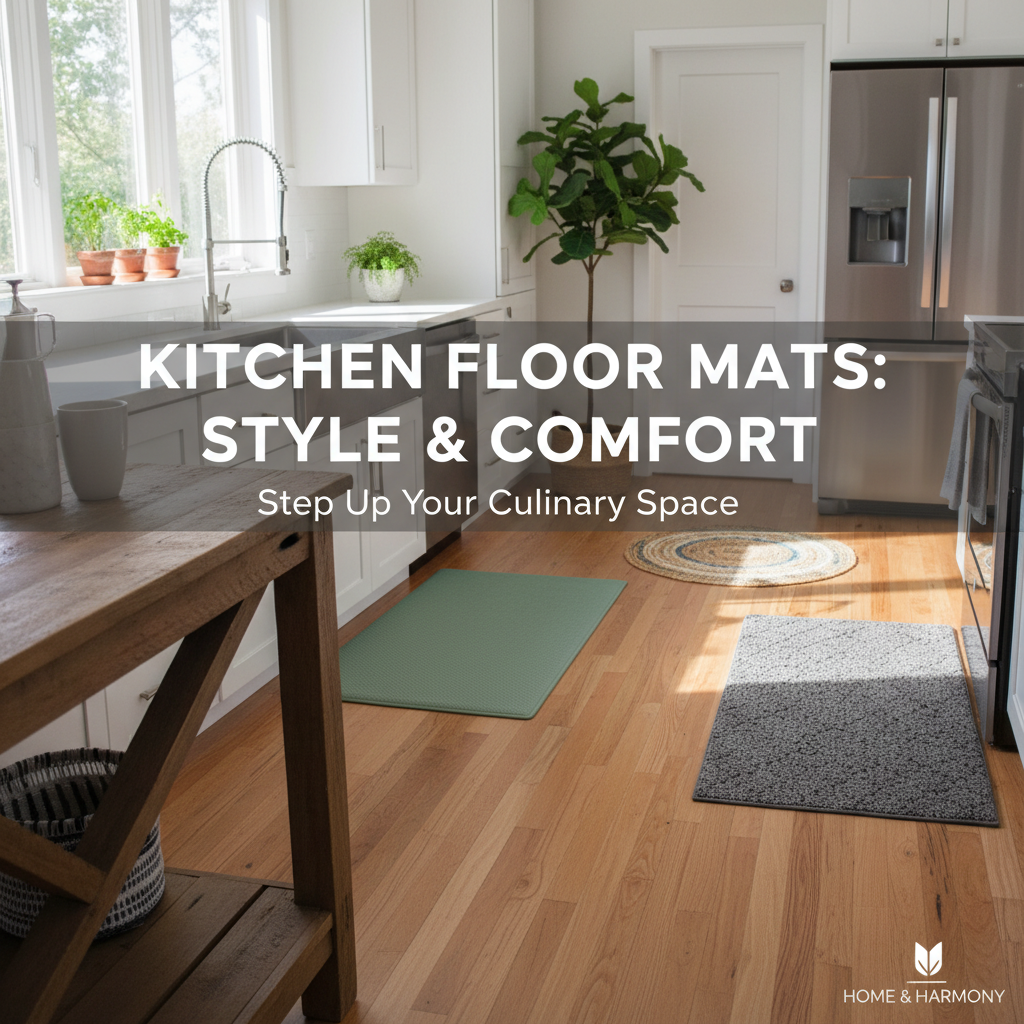
In the high-pressure environment of commercial kitchens and catering facilities, floor safety is not just a convenience—it’s a critical component of operational success, staff welfare, and regulatory compliance. Kitchen and catering floor mats serve as the first line of defence against a host of hazards that can lead to serious injuries, product contamination, and costly liabilities. With the catering industry experiencing some of the highest rates of workplace accidents, investing in specialised flooring solutions is both a legal responsibility and a smart business decision.
The Alarming Statistics: Why Kitchen Floor Safety Matters
According to the Health and Safety Executive (HSE), slips, trips, and falls remain the most common cause of major injury in the workplace, accounting for approximately 31% of all reported injuries in the catering and hospitality sector. The Occupational Safety and Health Administration (OSHA) reports that the food service industry has a 60% higher rate of slip-and-fall injuries than other private industries. These incidents don’t just result in human suffering—they lead to substantial financial costs through lost productivity, increased insurance premiums, and potential legal actions.
Types of Kitchen & Catering Floor Mats: Matching Solutions to Specific Needs
Anti-Fatigue Mats: Combatting Kitchen Fatigue
Commercial kitchen staff typically spend 8-12 hours per day standing on hard surfaces, leading to musculoskeletal disorders, reduced productivity, and increased absenteeism. Anti-fatigue mats feature specialised cushioning materials that promote subtle muscle movement, improving blood circulation and reducing stress on joints. Studies show that proper anti-fatigue matting can reduce lower back and leg discomfort by up to 50%, potentially increasing productivity by 12-15%.
Anti-Slip Safety Mats: Preventing Costly Accidents
Kitchen environments present multiple slip hazards: water, oils, food particles, and cleaning chemicals. Anti-slip mats with specialised tread patterns and high-friction backings provide essential traction, even when wet. The British Standards Institution (BSI) recommends mats with a pendulum test value (PTV) of 36 or higher for wet areas, with many professional kitchen mats exceeding PTV 45 for maximum safety.
Grease-Resistant & Drainage Mats: Managing Kitchen Liquids
Unlike standard mats, catering-specific solutions are designed to resist grease penetration while allowing liquids to drain away from the surface. Honeycomb or grid patterns lift workers above standing water, while specialised materials prevent grease absorption that can lead to bacterial growth and unpleasant odours.
Hygiene-Focused Mats: Meeting Food Safety Standards
In environments governed by the Food Standards Agency (FSA) and HACCP principles, mats must be non-porous, easy to clean, and resistant to bacterial growth. Many professional kitchen mats feature antimicrobial treatments and seamless designs that prevent food particle accumulation in crevices.
Branded & Logo Mats: Combining Safety with Marketing
For front-of-house catering areas, restaurants, and hotel kitchens, custom logo mats from providers like Premier Logo Mats serve dual purposes: enhancing safety while reinforcing brand identity. These solutions are particularly valuable for catering companies, hotel chains, and restaurant groups looking to maintain consistent branding across multiple locations.
Key Standards and Regulations: What Catering Businesses Need to Know
Commercial kitchen operators must comply with several overlapping regulatory frameworks:
- HSE Regulations: The Workplace (Health, Safety and Welfare) Regulations 1992 require floors to be suitable, in good condition, and free from obstructions.
- Food Safety Standards: The Food Standards Agency requires measures to prevent contamination, including appropriate floor coverings in food preparation areas.
- BSI Standards: BS EN 13845:2017 specifies requirements for anti-slip properties of resilient floor coverings.
- DDA Compliance: The Equality Act 2010 requires reasonable adjustments for disabled access, affecting mat thickness and transition profiles.
The Business Case: Beyond Basic Compliance
Reducing Insurance Premiums
Many insurers offer reduced premiums for catering businesses that implement recognised safety measures, including appropriate floor matting. Documented safety improvements can lead to premium reductions of 10-20% in some cases.
Improving Staff Retention
The catering industry faces chronic staff turnover issues, with rates often exceeding 70% annually. Investing in staff welfare through proper anti-fatigue matting demonstrates commitment to employee wellbeing, potentially reducing recruitment and training costs.
Enhancing Operational Efficiency
Proper floor matting reduces cleaning time, prevents equipment damage from dropped items, and minimises disruption from slip-related incidents. Many catering managers report a return on investment within 6-12 months through reduced accident rates and improved productivity.
Selecting the Right Mats: A Practical Guide
Material Considerations
- PVC/Nitrile: Excellent for grease resistance and durability
- Rubber: Superior anti-slip properties and cushioning
- Polyurethane: Lightweight and easy to clean
- Coir/Entry Mats: Ideal for initial dirt and moisture removal
Size and Placement Strategy
Professional kitchen mats should cover key standing areas: cooking stations, preparation areas, dishwashing zones, and serving points. The Specialist Mats team recommends a minimum coverage of work areas where staff stand for more than 30 minutes continuously, with particular attention to transition areas between wet and dry zones.
Maintenance and Cleaning Protocols
Effective mat maintenance extends product life and maintains safety performance:
- Daily sweeping and damp mopping
- Weekly deep cleaning with appropriate disinfectants
- Regular inspection for wear and tear
- Immediate replacement when slip resistance diminishes
Specialist Solutions for Different Catering Environments
High-Volume Restaurant Kitchens
For busy restaurant kitchens, Ideal Mats recommends heavy-duty anti-fatigue mats with exceptional grease resistance and drainage capabilities. Modular systems allow for custom configurations around fixed equipment.
Catering Companies and Mobile Units
Mobile catering operations require lightweight, portable solutions that can withstand frequent setup and breakdown. Interlocking mat systems provide flexibility for varying venue layouts.
Hotel and Institutional Kitchens
Large-scale operations benefit from comprehensive matting systems that address multiple zones: receiving areas, preparation kitchens, cooking lines, and plating stations. Consistent colour-coding can support HACCP protocols and workflow organisation.
Front-of-House Catering Areas
For buffet stations, serving areas, and bar locations, Specialist Logo Mats offers aesthetically pleasing solutions that maintain safety while complementing interior design schemes.
Cost Considerations and Return on Investment
While premium kitchen mats represent an initial investment, the long-term financial benefits are substantial:
- Accident Reduction: The average cost of a slip-and-fall claim in the catering industry exceeds £10,000
- Productivity Gains: Anti-fatigue matting can reduce worker discomfort by up to 50%, directly impacting output
- Reduced Equipment Damage: Proper matting cushions dropped utensils and prevents breakage
- Extended Floor Life: Protective mats prevent damage to expensive kitchen flooring
Implementing a Successful Matting Program
- Conduct a Risk Assessment: Identify high-risk areas and specific hazards
- Consult Specialists: Engage with providers like Ideal Mats for professional recommendations
- Train Staff: Ensure employees understand proper mat use and maintenance
- Monitor Performance: Regularly review accident reports and staff feedback
- Plan for Replacement: Budget for periodic mat replacement based on wear patterns
Conclusion: Floor Safety as a Foundation for Catering Success
Kitchen and catering floor mats represent far more than simple floor coverings—they are integral safety systems that protect staff, customers, and business viability. In an industry where margins are tight and risks are high, investing in appropriate matting solutions demonstrates professional responsibility while delivering measurable operational benefits. From HSE compliance to staff welfare and brand enhancement, the right floor mats provide a solid foundation for any successful catering operation.
As catering businesses navigate increasingly stringent regulations and competitive pressures, partnering with experienced suppliers like Ideal Mats and Specialist Mats ensures access to products that meet both safety requirements and business objectives. Whether you operate a small cafe or a large-scale catering facility, appropriate floor matting should be viewed not as an optional extra, but as an essential component of your operational infrastructure.