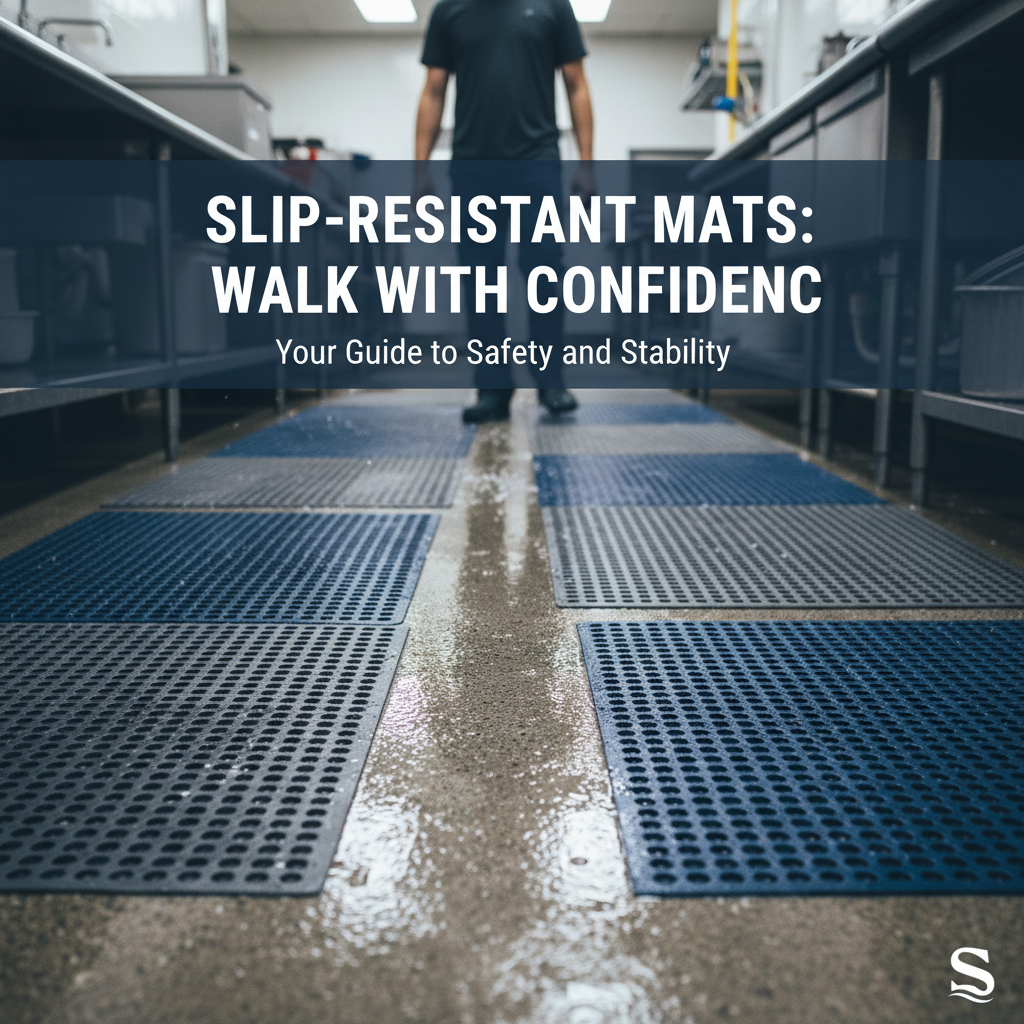
In any business, the safety and well-being of employees and visitors should be the highest priority. Yet, one of the most common and preventable accidents in the workplace is a slip, trip, or fall. These incidents can lead to serious injuries, costly compensation claims, and significant operational downtime. Fortunately, a simple and highly effective solution lies right under our feet: slip-resistant floor mats.
This comprehensive guide will explore the critical role of slip-resistant mats in enhancing workplace safety, the science behind their effectiveness, and how to choose the right solution for your specific environment.
The Staggering Reality of Workplace Slips and Falls
The statistics surrounding workplace accidents are sobering. According to the UK’s Health and Safety Executive (HSE), slips, trips, and falls are the single most common cause of major injuries in UK workplaces. These incidents account for a significant portion of non-fatal injuries, leading to thousands of lost working days and costing businesses millions of pounds annually in legal fees, insurance premiums, and lost productivity.
Under the Health and Safety at Work etc. Act 1974, employers have a legal duty to ensure the health, safety, and welfare of their employees, which includes taking steps to control slip and trip risks. Investing in high-quality safety matting is not just a best practice—it’s a fundamental component of a responsible and compliant safety strategy.
How Do Slip-Resistant Mats Actually Work?
The effectiveness of an anti-slip mat isn’t magic; it’s a result of deliberate design, material science, and engineering. They work by creating a high-traction surface that provides a secure grip, even in the presence of water, oil, grease, or other contaminants. Here’s a breakdown of their key features:
- High-Traction Surface: Mats are designed with textured patterns, cleats, or abrasive grits that increase the coefficient of friction between the shoe and the floor. This texture aggressively scrapes away dirt and moisture while providing a stable surface to walk on.
- Moisture & Debris Management: Many slip-resistant mats feature raised borders and specially designed channels that trap water, mud, and debris. This prevents contaminants from being tracked further into the building and keeps walkways dry and safe.
- Secure Backing Material: The underside of the mat is just as important as the top. Most high-performance safety mats use nitrile rubber backing, which grips the floor firmly to prevent the mat itself from shifting, buckling, or sliding.
- Bevelled Edges: Tapered, or bevelled, edges allow for a smooth transition from the floor to the mat, reducing the risk of tripping and enabling easy access for wheeled traffic like carts or wheelchairs.
Choosing the Right Slip-Resistant Mat for Your Business
Not all mats are created equal. The ideal solution depends entirely on the specific needs of the environment. Placing the wrong type of mat in a high-risk area can be ineffective and create a false sense of security. Here are some common business areas and the types of mats they require:
1. Building Entrances and Reception Areas
The entrance is your first line of defence against tracked-in rain, snow, and dirt. A robust entrance matting system is essential for capturing moisture and debris at the door.
- Function: Scrape dirt and absorb water.
- Recommendation: Look for heavy-duty mats with a combination of scraping fibres and absorbent materials. For a powerful first impression that reinforces your brand, consider customisable options from specialists like Logo Mats. A comprehensive range can be found at IdealMats, ensuring your entrance is both safe and welcoming.
2. Commercial Kitchens and Food Service Areas
Kitchens are high-risk zones due to the constant presence of water, grease, oil, and food spillages. Standard mats won’t suffice here.
- Function: Provide grip on greasy floors and allow for drainage.
- Recommendation: You need mats made from grease-resistant nitrile rubber. Look for products with drainage holes to allow liquids to pass through, keeping the surface dry. Specialist Mats offers solutions specifically designed for these demanding environments.
3. Industrial, Manufacturing, and Warehouse Environments
In factories, workshops, and assembly lines, workers often stand for long periods on hard concrete floors, which may be exposed to oils, chemicals, or swarf. Safety here is twofold: preventing slips and reducing fatigue.
- Function: Offer slip resistance, chemical resistance, and anti-fatigue properties.
- Recommendation: Heavy-duty anti-fatigue mats with high-traction surfaces are crucial. They not only prevent slips but also provide cushioning that reduces strain on the back and legs, boosting productivity and morale. For durable, European-made options, check out the offerings from Premier Logo Mats.
4. Bars, Spas, and Wet Areas
Areas that are constantly wet, such as behind bars, in changing rooms, or around swimming pools, require mats designed for maximum drainage.
- Function: Elevate workers above wet floors and provide excellent drainage.
- Recommendation: Non-slip, free-draining mats, often with anti-microbial properties to prevent mould and mildew, are the best choice. These ensure a safe and hygienic standing surface.
Beyond Mats: A Holistic Approach to Floor Safety
While slip-resistant mats are a cornerstone of floor safety, they are most effective as part of a wider safety strategy. The National Floor Safety Institute (NFSI) advocates for a multi-faceted approach. To create a truly safe environment, consider these additional measures:
- Implement a Proactive Cleaning Schedule: Ensure spills are cleaned up immediately. Regular, thorough cleaning with the appropriate detergents can prevent the build-up of hazardous greasy films.
- Promote Awareness and Training: Train staff to be vigilant, recognise slip hazards, and follow safety protocols. Use “wet floor” signs promptly and effectively.
- Mandate Appropriate Footwear: In high-risk areas like kitchens or industrial workshops, requiring employees to wear certified slip-resistant footwear adds another critical layer of protection.
- Ensure Adequate Lighting: Poor visibility can hide hazards. Make sure all walkways, corridors, and work areas are well-lit.
Invest in Safety, Protect Your People
Slips, trips, and falls are not unavoidable accidents; they are predictable and preventable incidents. By investing in high-quality, purpose-built slip-resistant floor mats, businesses can take a significant step towards mitigating these risks. This investment not only protects your employees and customers from injury but also safeguards your business from legal liability, reputational damage, and financial loss.
Ready to make your workplace safer? Explore a complete range of matting solutions from general entrance systems to bespoke, branded options at Specialist Logo Mats to find the perfect fit for every area of your business.