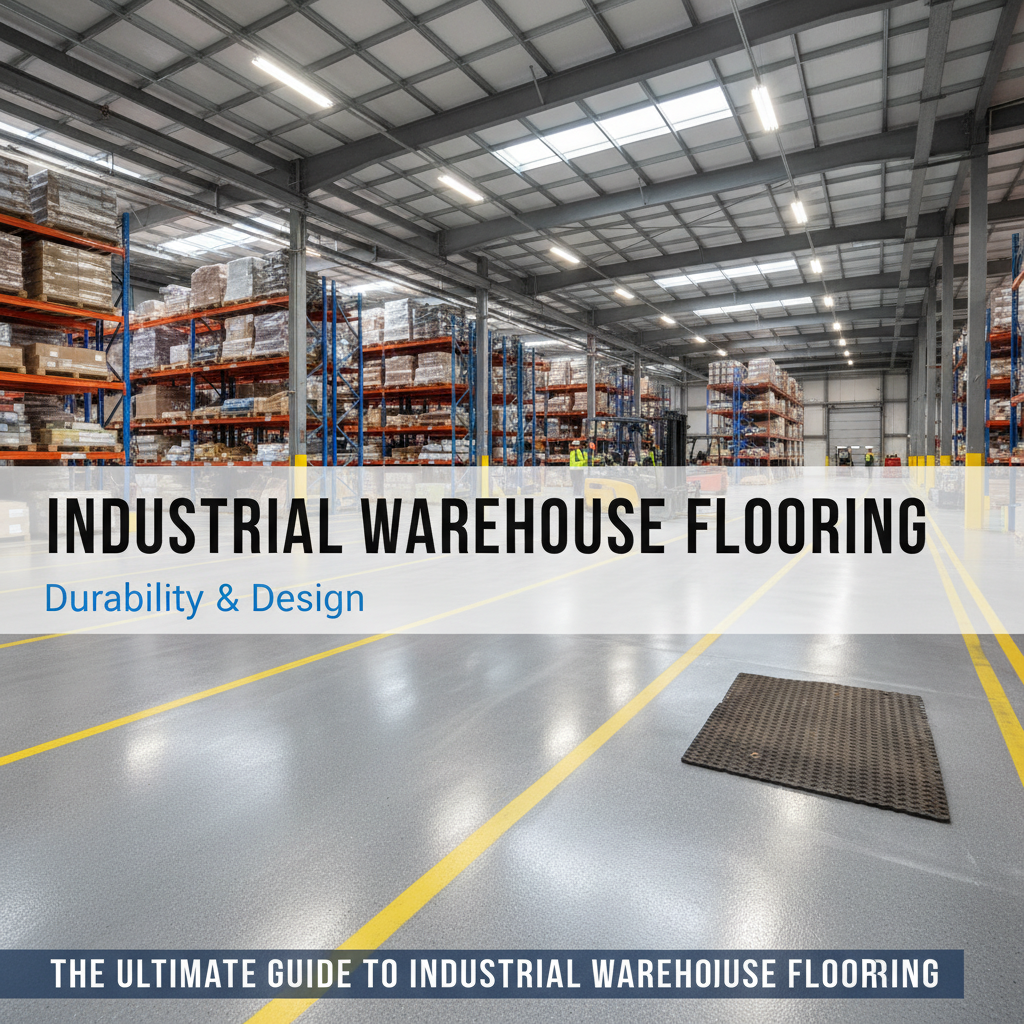
The High Cost of Overlooking Warehouse Safety
A busy warehouse floor is a complex environment with constant movement of people, machinery, and goods. This activity, however, comes with inherent risks. According to the UK’s Health and Safety Executive (HSE), the transportation and storage industry consistently reports thousands of non-fatal injuries each year, with slips, trips, and falls being a primary cause. These incidents are not just unfortunate accidents; they carry significant financial and operational burdens, including:
- Lost Productivity: Employee absence during recovery directly halts workflow.
- Compensation Costs: Legal fees and compensation claims can be substantial.
- Reputational Damage: A poor safety record can affect employee morale and attract regulatory scrutiny.
Investing in high-quality industrial matting is a proactive strategy to mitigate these risks, turning your flooring from a liability into an asset for safety and efficiency.
Key Matting Solutions for Every Warehouse Zone
A one-size-fits-all approach to warehouse matting is ineffective. Different zones have unique challenges that require specific solutions. By analyzing the function of each area, you can deploy a matting system that delivers maximum benefit.
1. Anti-Fatigue Mats for Standing Workstations
Employees at packing stations, assembly lines, and inspection points often stand for extended periods on hard concrete floors. This can lead to musculoskeletal disorders (MSDs), fatigue, and a noticeable drop in concentration. Ergonomic studies have shown that anti-fatigue mats are crucial for workplace well-being.
These mats feature a cushioned surface that promotes subtle, continuous micro-movements of the leg and calf muscles. This improves blood flow and reduces pressure on the spine, back, and joints. The result is a more comfortable, focused, and productive workforce. For specialised ergonomic solutions, exploring options from providers like Specialist Mats can provide tailored results for your team’s needs.
2. Entrance Mats for Dirt and Moisture Control
A staggering amount of dirt, dust, and moisture enters a facility on the soles of shoes. This debris can make floors slippery, damage sensitive equipment, and increase cleaning costs. A robust entrance matting system is your first line of defence.
- Outdoor Scraper Mats: These aggressive mats are placed outside entrances to remove heavy dirt, mud, and grit.
- Indoor Wiper/Scraper Mats: Placed inside, these mats capture any remaining fine dust and absorb moisture, keeping your warehouse floors clean and dry.
An effective system can trap up to 80% of external contaminants. Furthermore, customising these mats with your company logo transforms a functional item into a branding opportunity. Reputable suppliers like Logo-Mats.co.uk offer high-quality branded options that enhance your entrance’s professionalism.
3. Anti-Static (ESD) Mats for Sensitive Areas
In warehouses that handle delicate electronic components, electrostatic discharge (ESD) is a silent threat. A static shock that is barely perceptible to a human can be catastrophic to microchips and circuit boards, leading to product failure and financial loss.
Anti-static mats, or ESD mats, are designed to safely ground workers and equipment, dissipating static charge before it can build up and cause damage. They are essential for electronics assembly, server rooms, and component storage areas, protecting your valuable inventory.
4. Heavy-Duty and Chemical-Resistant Mats
Certain warehouse areas are exposed to harsh conditions, including heavy forklift traffic, chemical spills, and grease. Standard mats will quickly degrade in these environments. For loading docks, maintenance bays, and forklift charging stations, you need mats made from durable, non-porous materials like nitrile rubber.
These heavy-duty mats offer superior traction, withstand extreme wear and tear, and resist degradation from oils and chemicals, ensuring long-lasting safety and floor protection.
A Strategic Approach to Warehouse Matting Implementation
To maximise your return on investment, implement matting as a complete system rather than a collection of individual mats. Consider the flow of traffic and the specific tasks performed in each area:
- Loading Docks: Use heavy-duty, weather-resistant runner mats to provide safe footing during loading and unloading.
- Main Walkways: Deploy durable, high-traction runner mats to define safe pedestrian paths and prevent slips.
- Packing & Assembly Lines: Install dedicated anti-fatigue mats to boost employee comfort and productivity.
- Entrances & Exits: A dual indoor/outdoor entrance matting system is critical for cleanliness and safety. For a truly professional finish, consider premium options from Premier Logo Mats.
By investing in a comprehensive matting strategy from a trusted provider like Specialist Logo Mats, you are investing in the core of your operation. You reduce liability, enhance operational efficiency, and create a safer, more professional environment for your employees.
Conclusion: The Foundation of a Better Warehouse
Industrial matting is far more than a simple accessory; it is a foundational element of a safe, clean, and productive warehouse. By carefully selecting the right types of mats for each specific zone, you can significantly reduce the risk of costly slips and falls, improve employee well-being and focus through ergonomic support, and lower cleaning and maintenance costs.
View industrial matting not as an expense, but as a strategic investment in your operational excellence and the health of your team. By addressing flooring risks proactively, you build a stronger, more resilient business from the ground up.